Naše produkty

Home Naše produkty

Produkty Ecoreframe | Udržitelné dřevěné desky, dveře, okna a panely

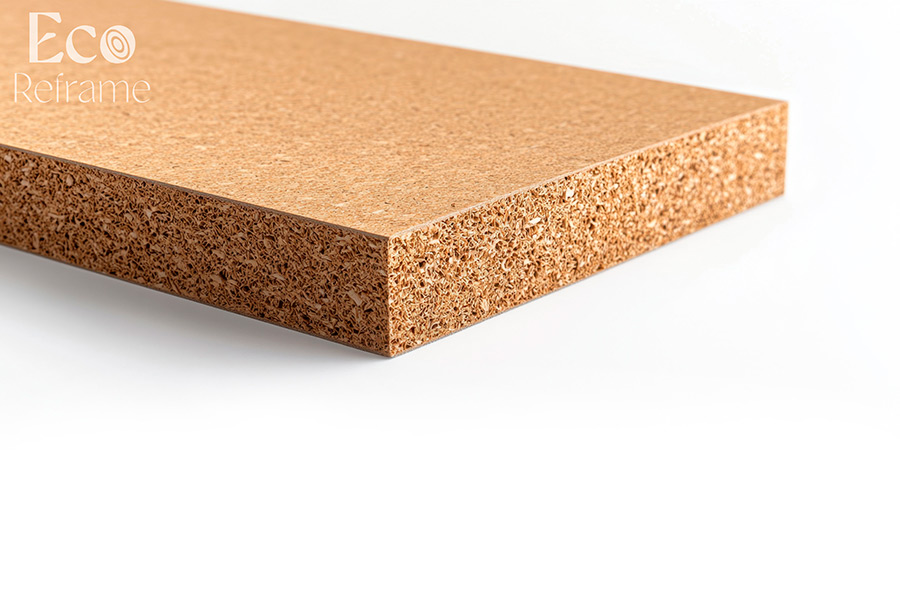
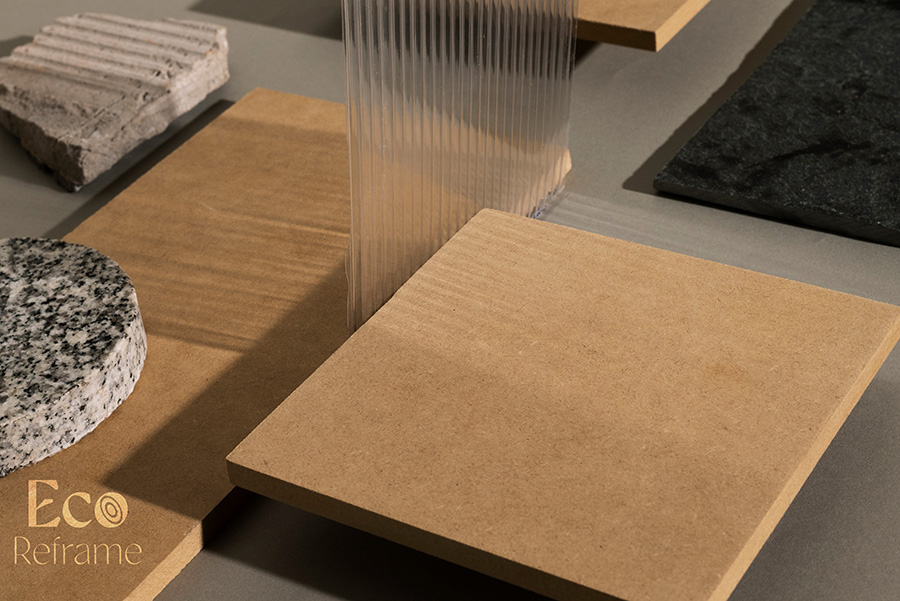
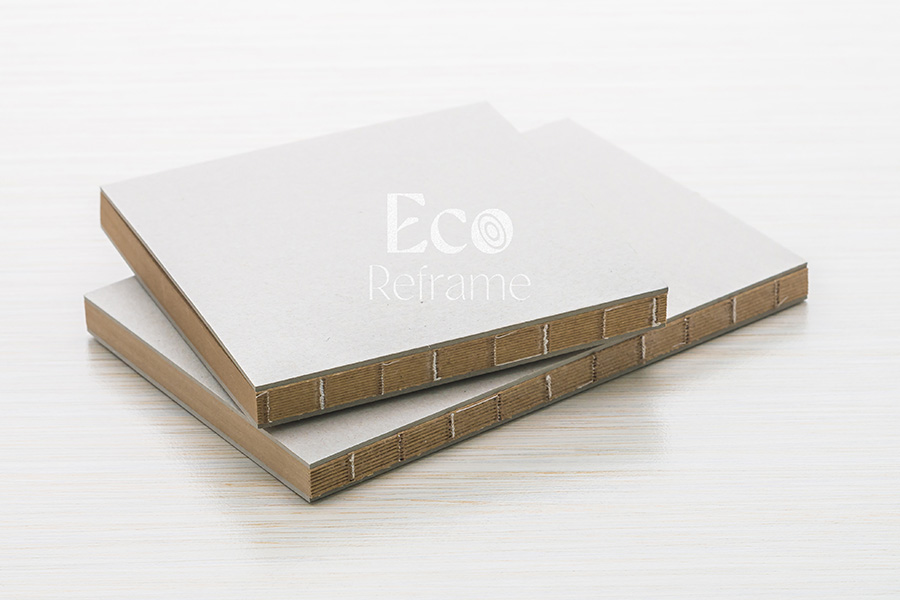
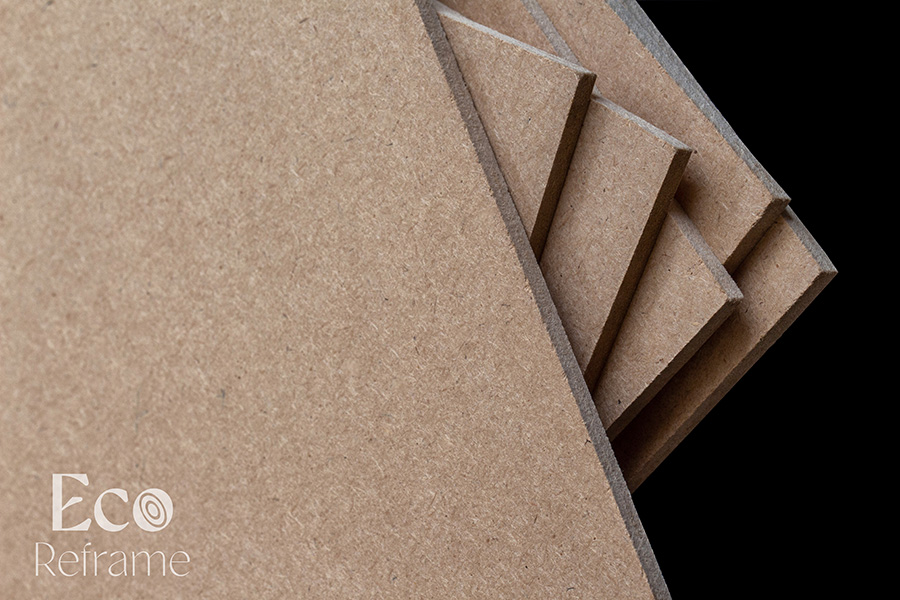
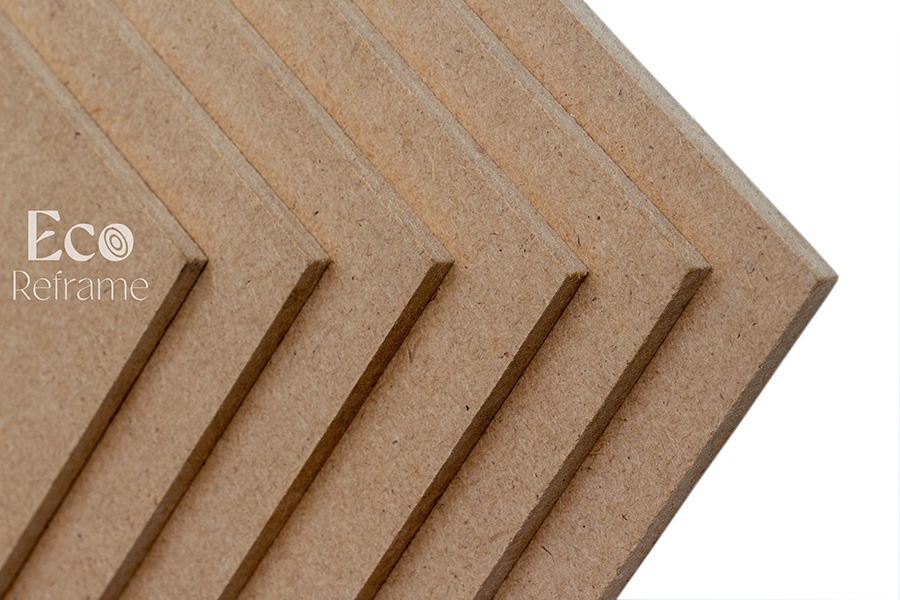
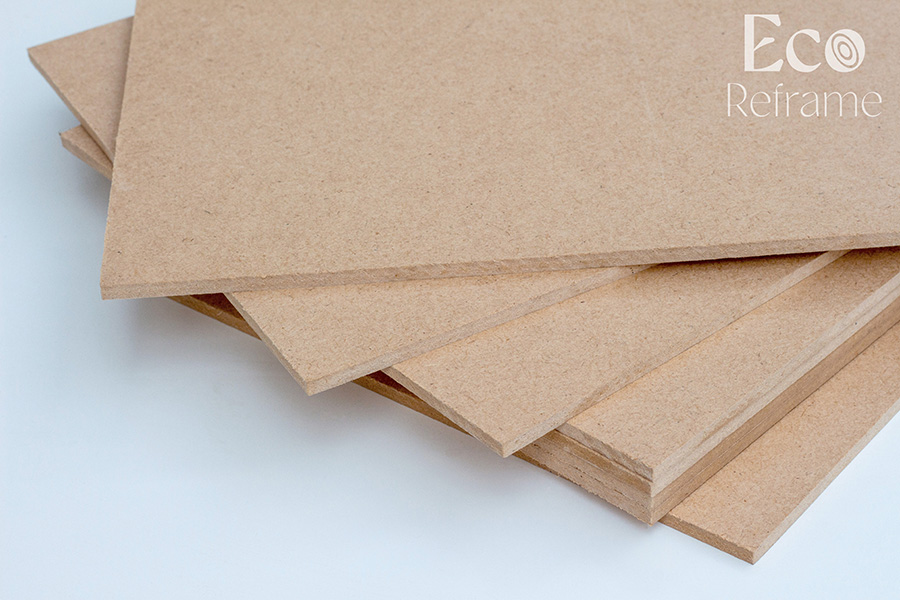
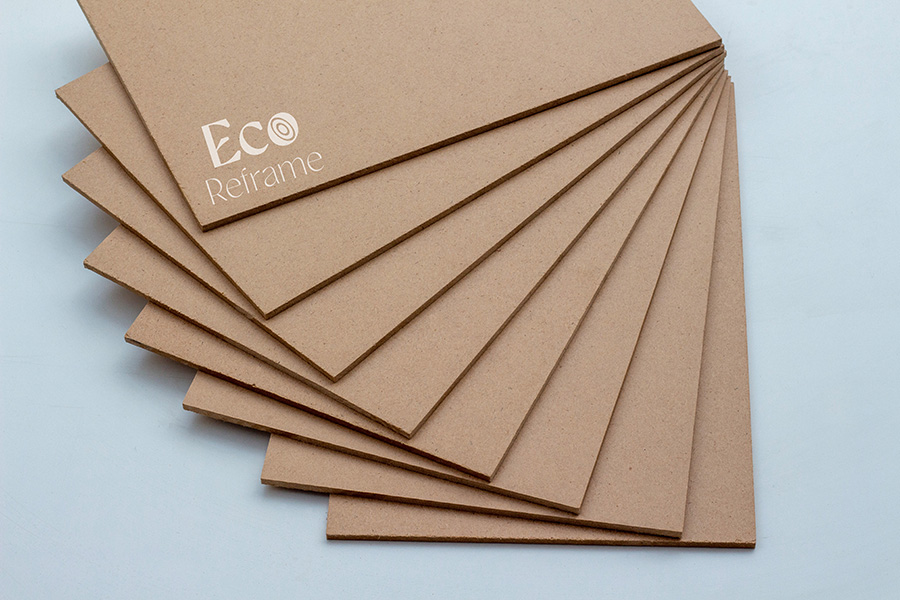
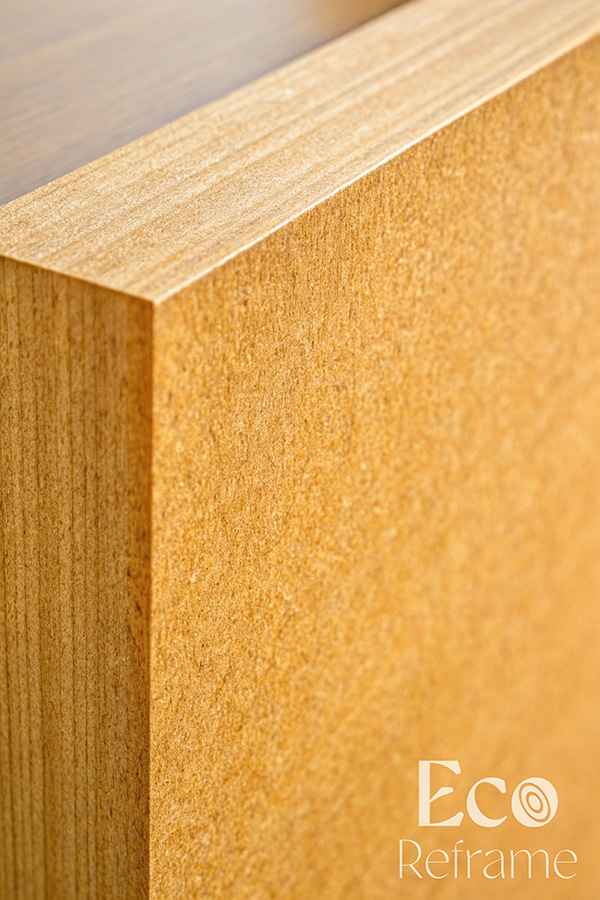
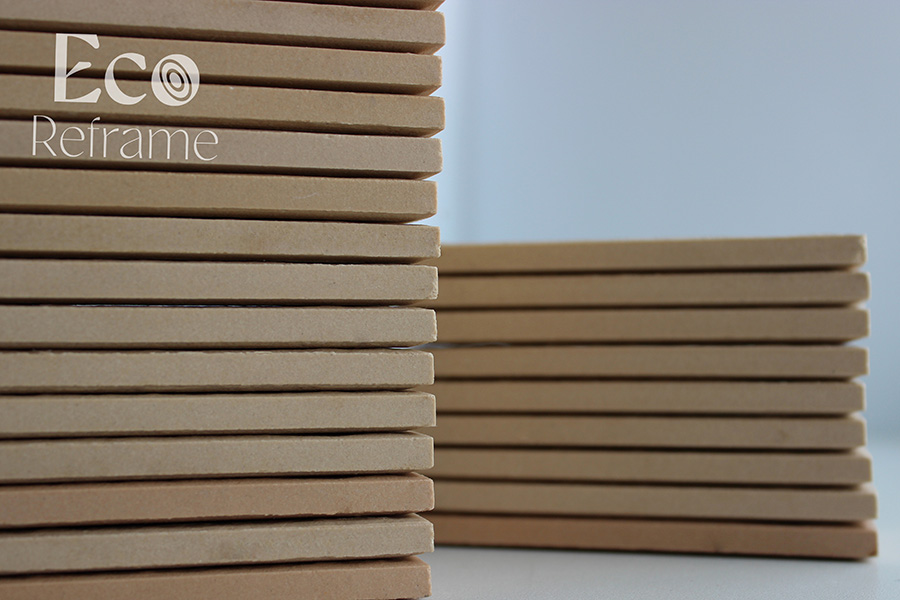
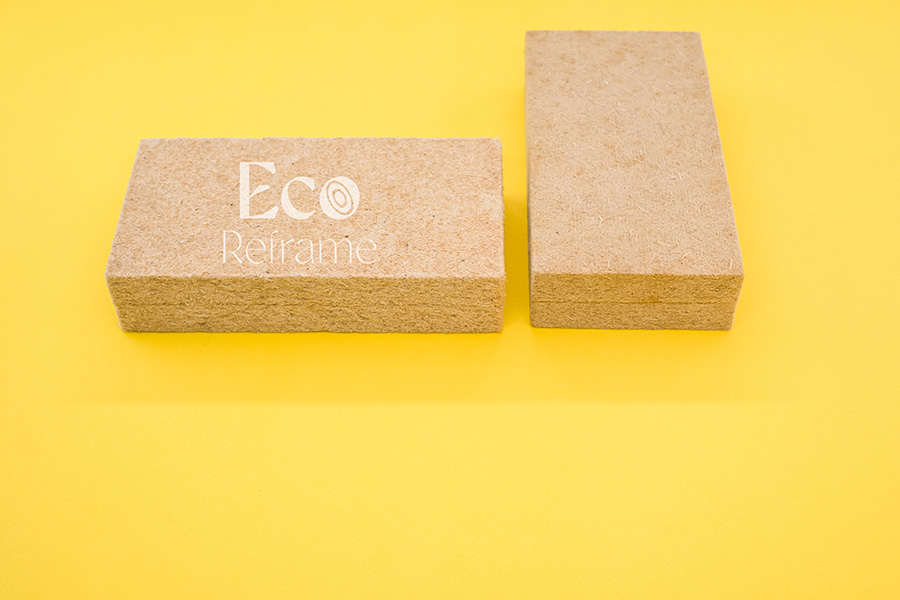
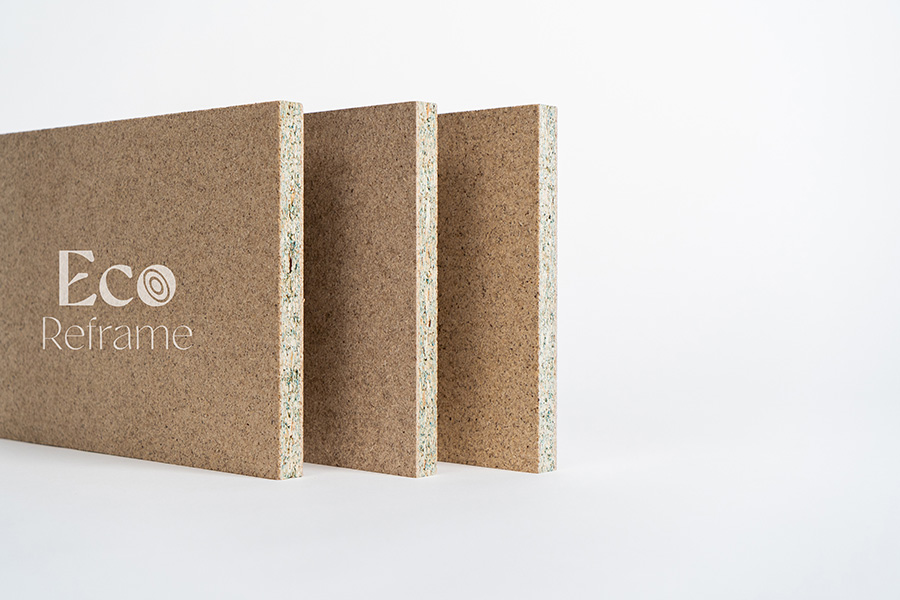
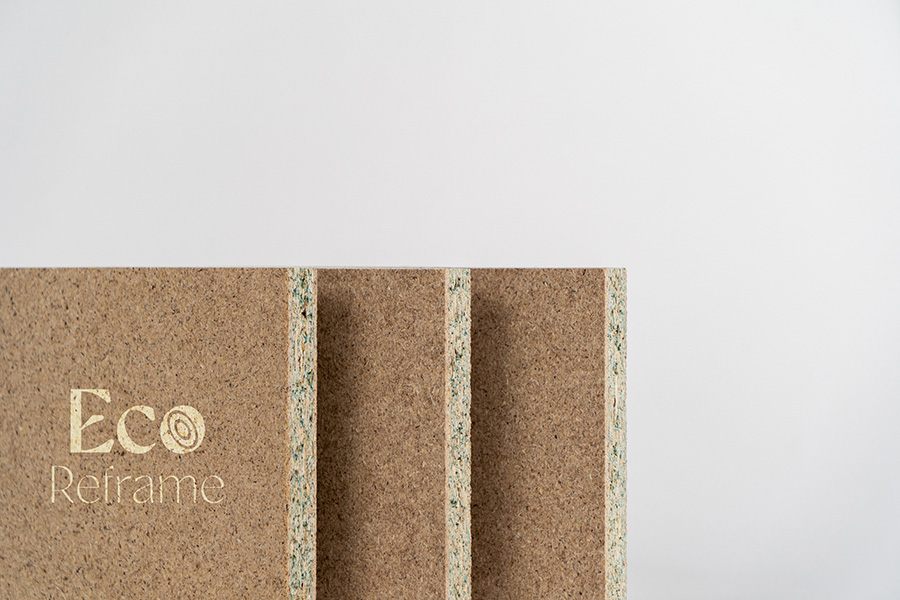
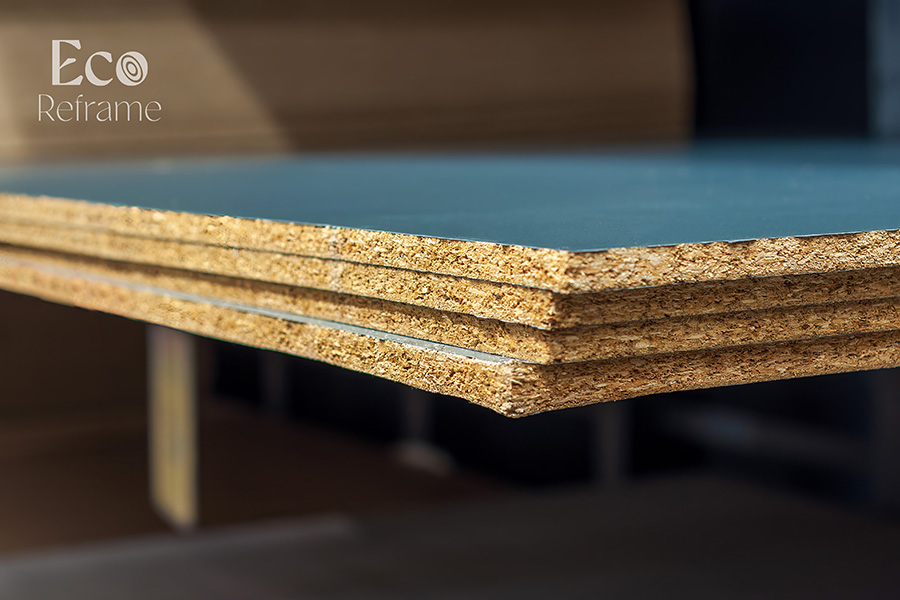
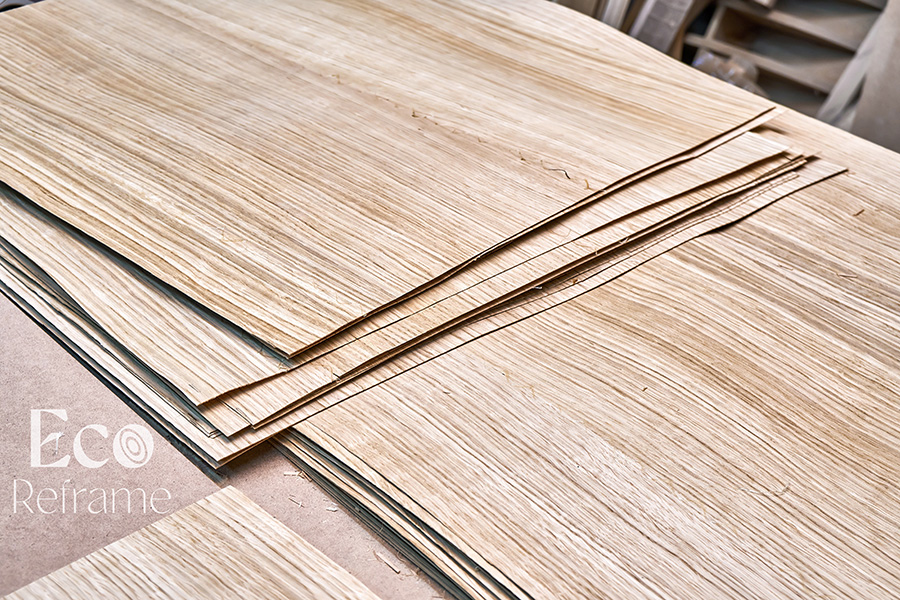
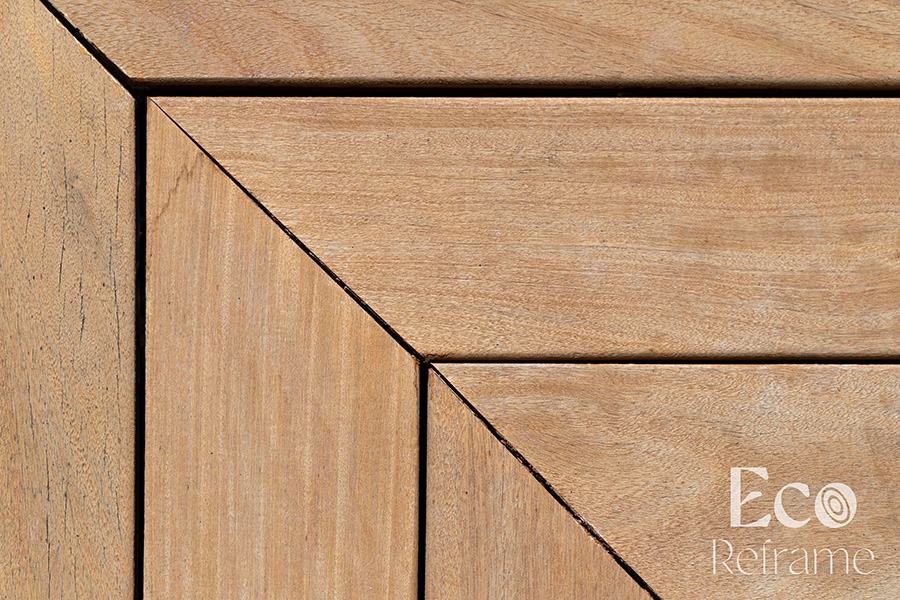
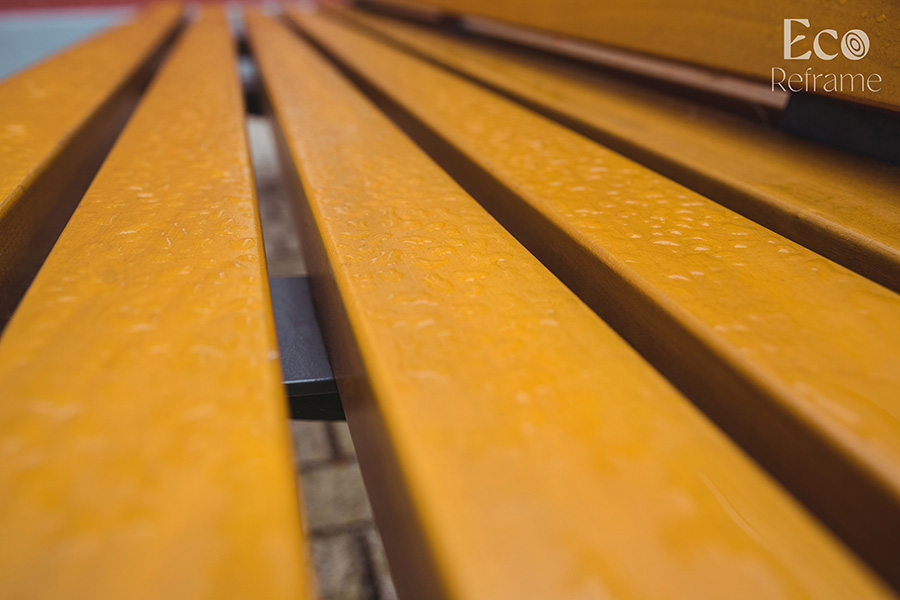
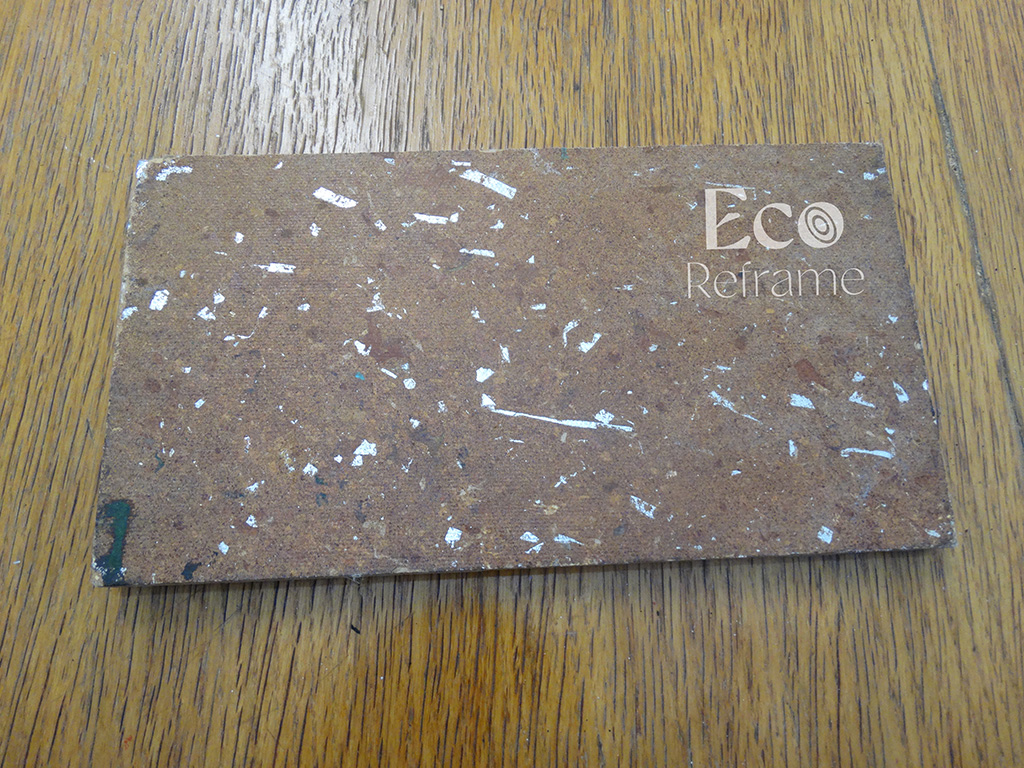
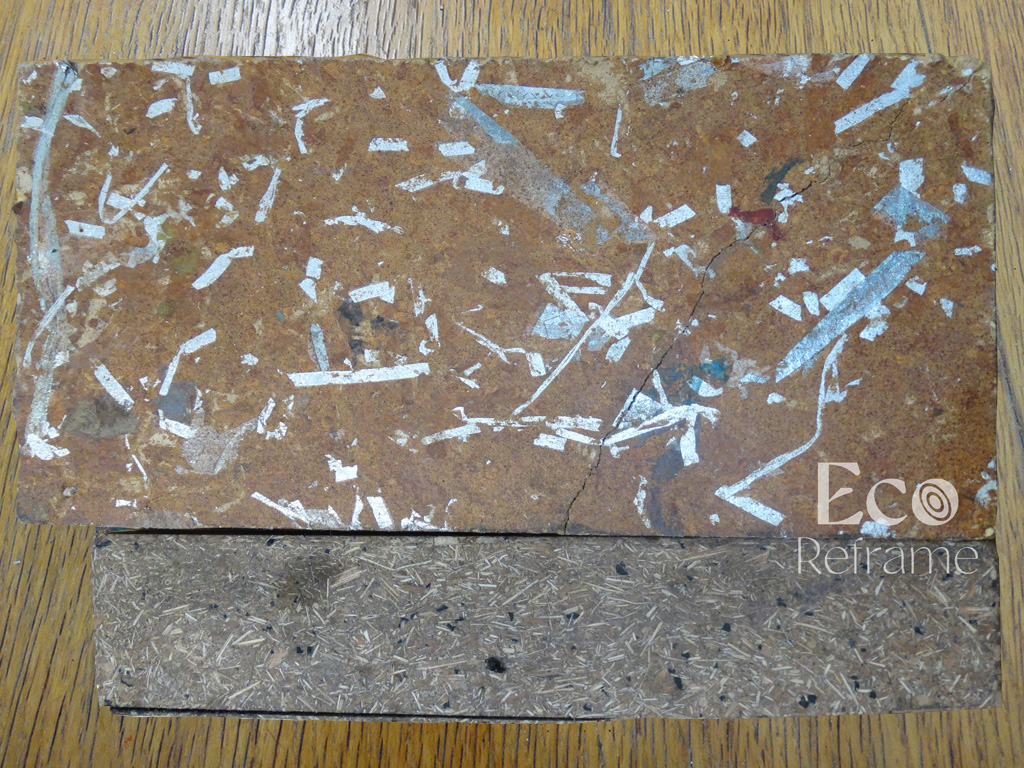
Ecoreframe přeměňuje recyklovaný palmový a dřevěný odpad na funkční, stylové a odolné výrobky na bázi dřeva určené pro moderní použití.

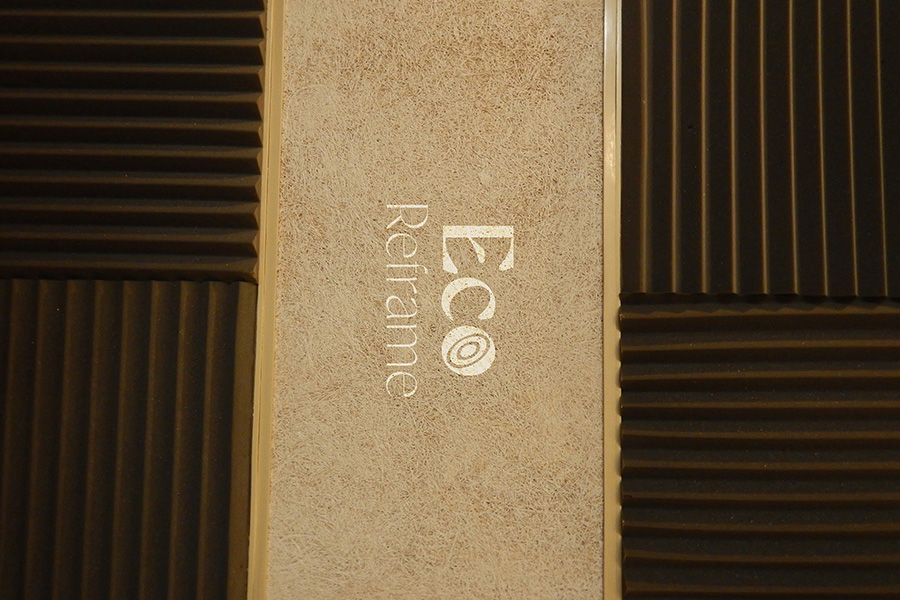
  • Dřevěné desky a panely Eco Wood.
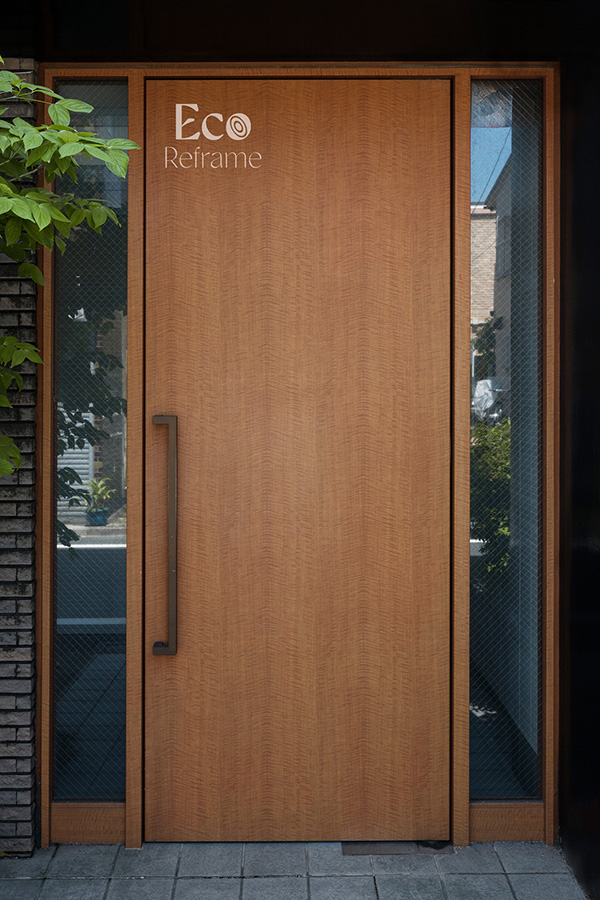
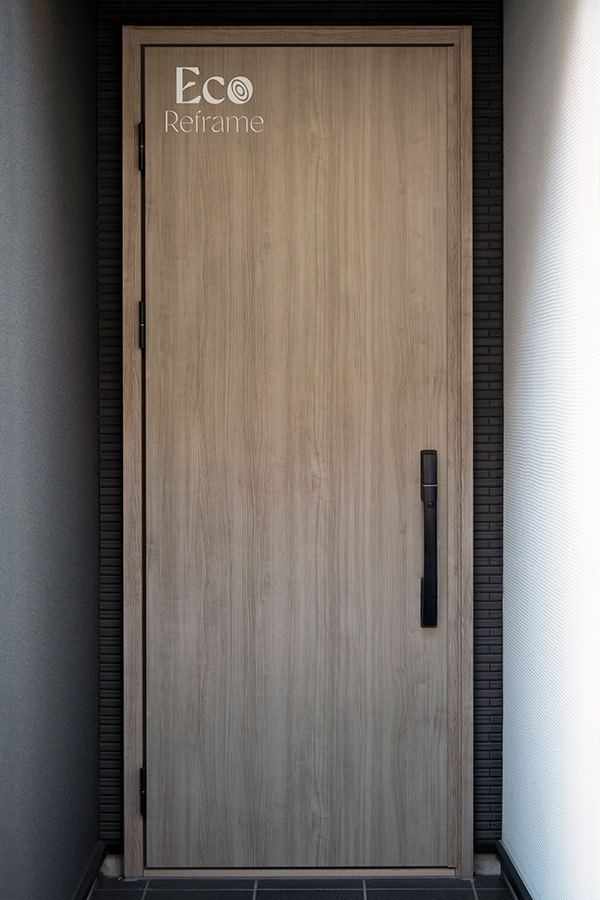
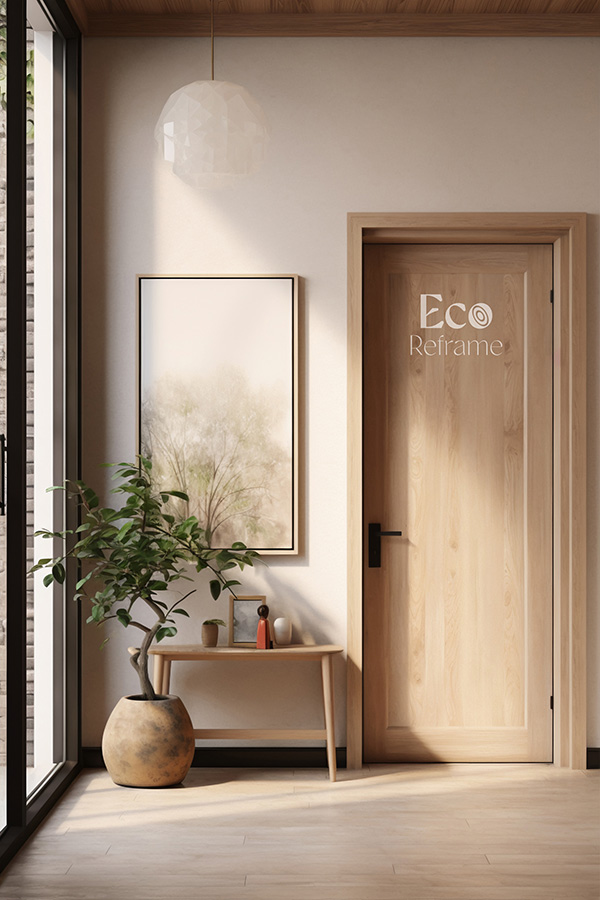
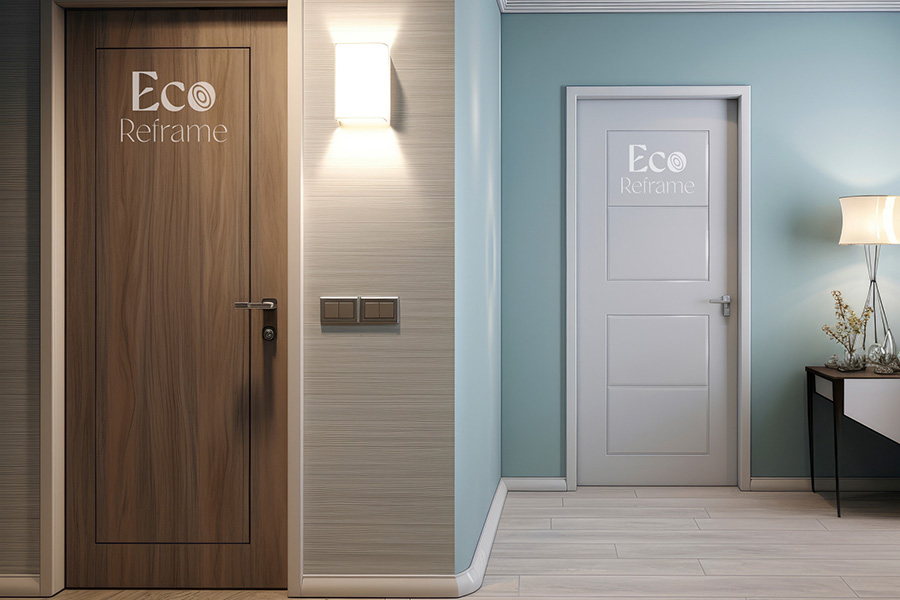
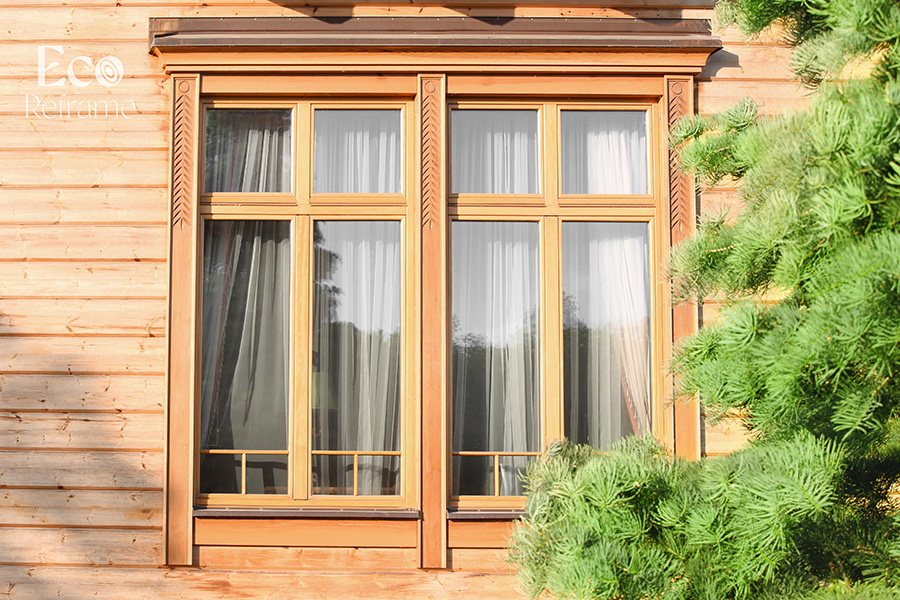
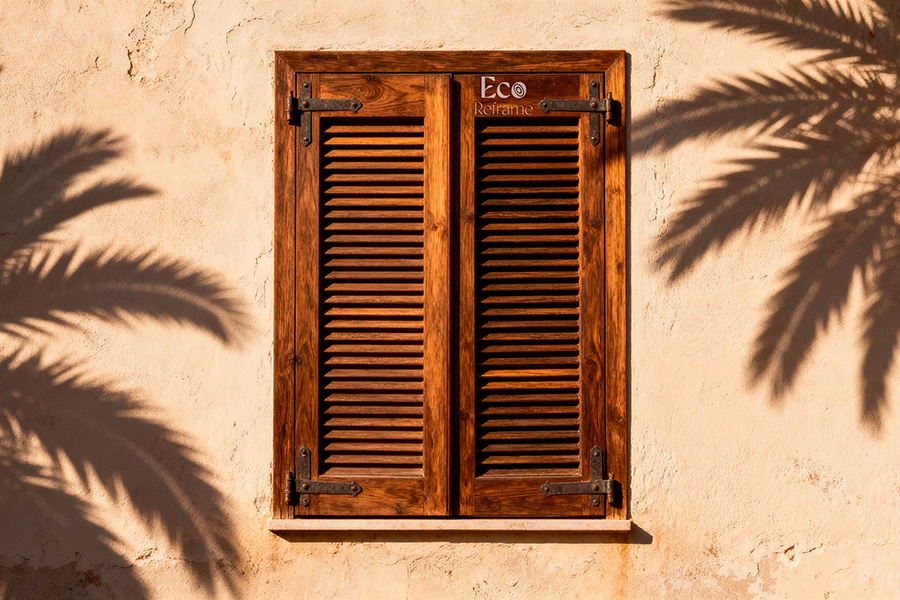
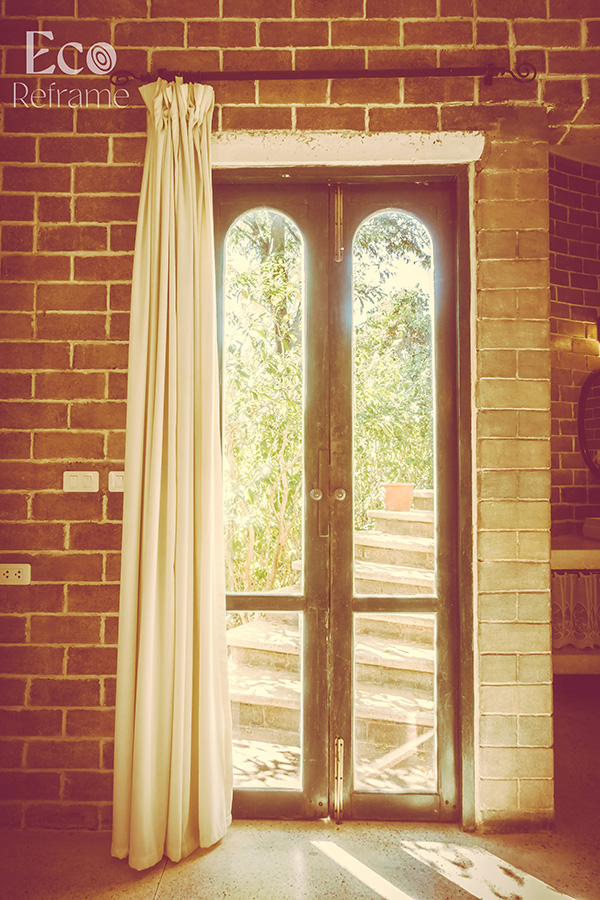
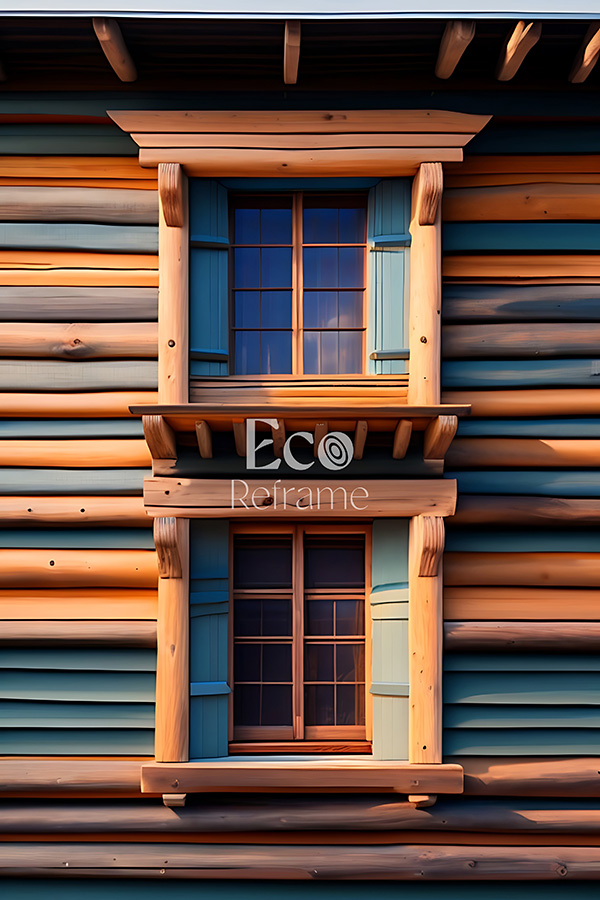
  • Ekologické dveře a okna.
  • Stavební a architektonické materiály.
  • Ekologické příslušenství a dekorace.

Za hranice dřeva: Kromě dřevěných kompozitů společnost Ecoreframe recykluje plasty, sklo a papír na praktické materiály používané pro obaly, izolace a podporu výroby.

Každý výrobek má ekologický certifikát, je odolný, vlhkuvzdorný a plně recyklovatelný. Výrobky Ecoreframe jsou vyrobeny tak, aby vydržely - a chránily planetu.

We’ll show you some of our products…

Wood products:

Types and Uses of Synthetic Wood Panels

Introduction

Synthetic wood plates, also known as engineered or composite wood panels, are manufactured materials made from wood particles, fibers, veneers, or combinations of wood and plastic. These materials offer cost-effective, sustainable, and performance-optimized alternatives to solid wood across furniture, construction, and architectural applications worldwide.

This guide provides a comprehensive overview of the main synthetic wood panel types, their characteristics, applications in specific contexts (container interiors, Portuguese exteriors, and furniture), and multilingual descriptions for professional reference.
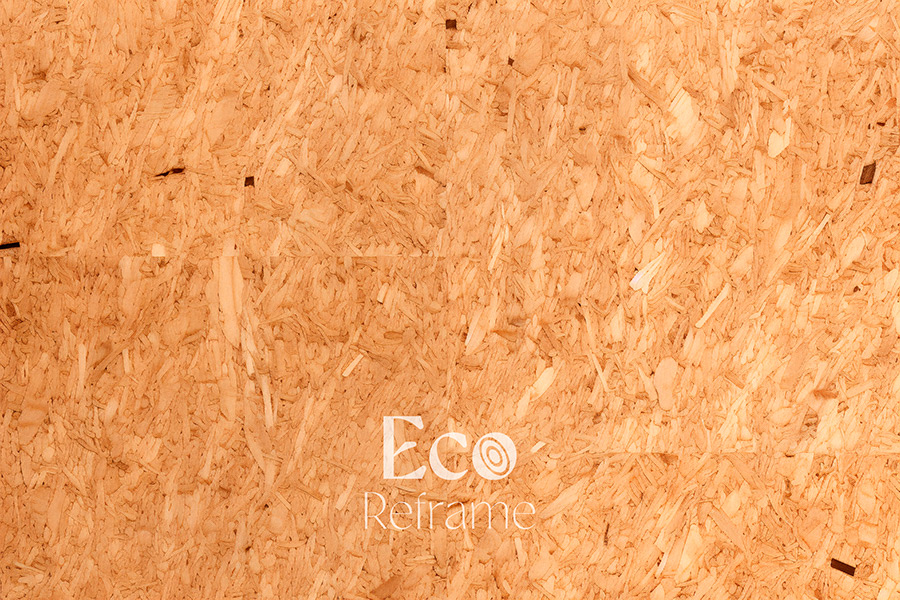
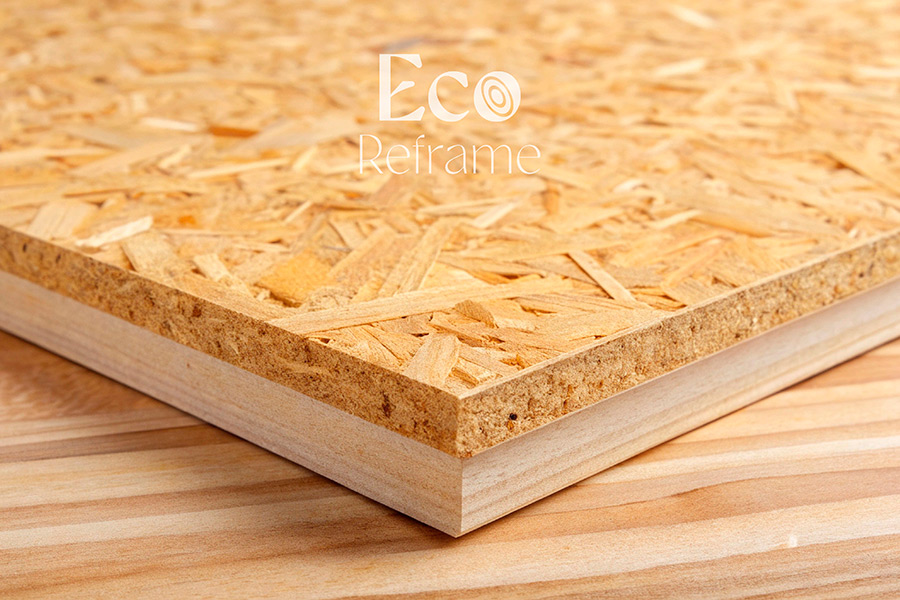
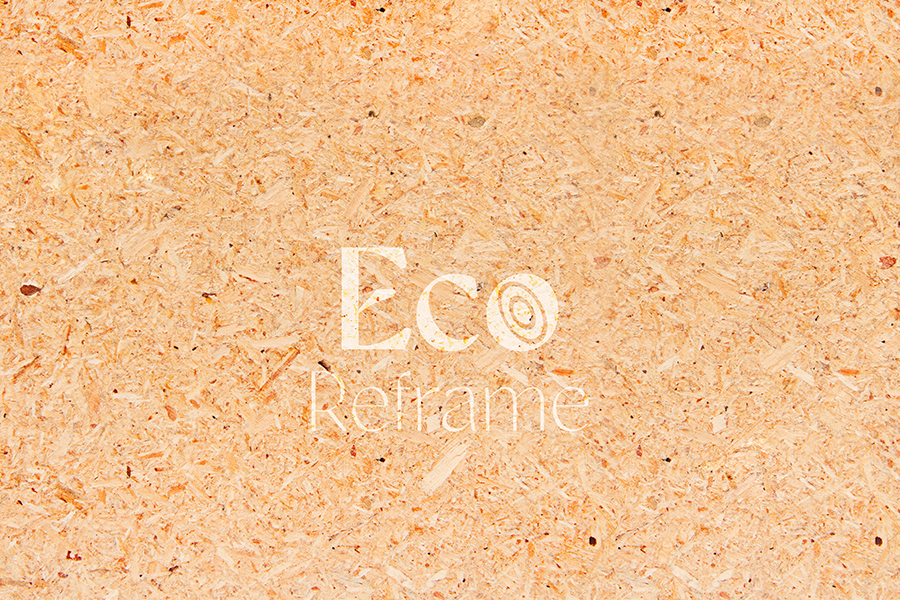
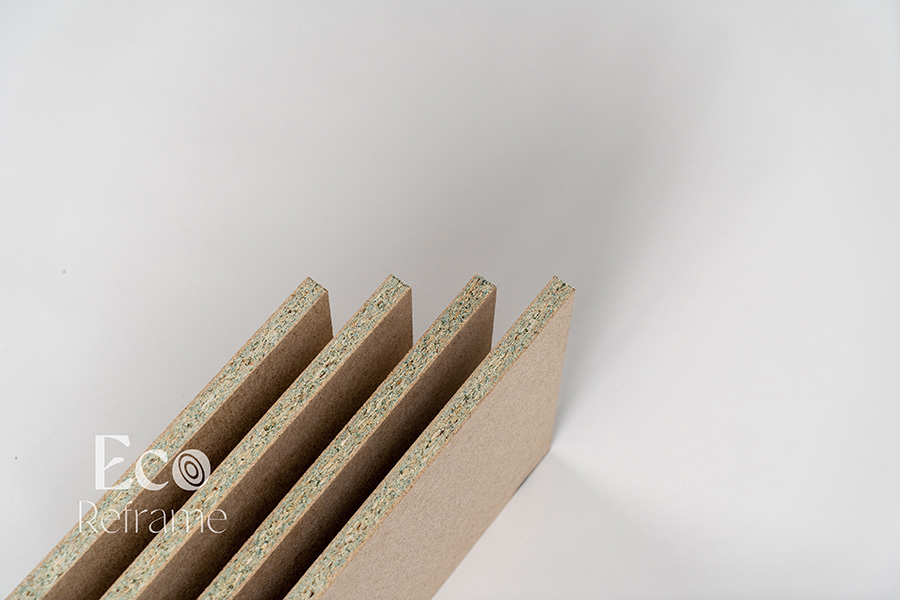
Particleboard (Chipboard)

  • Description

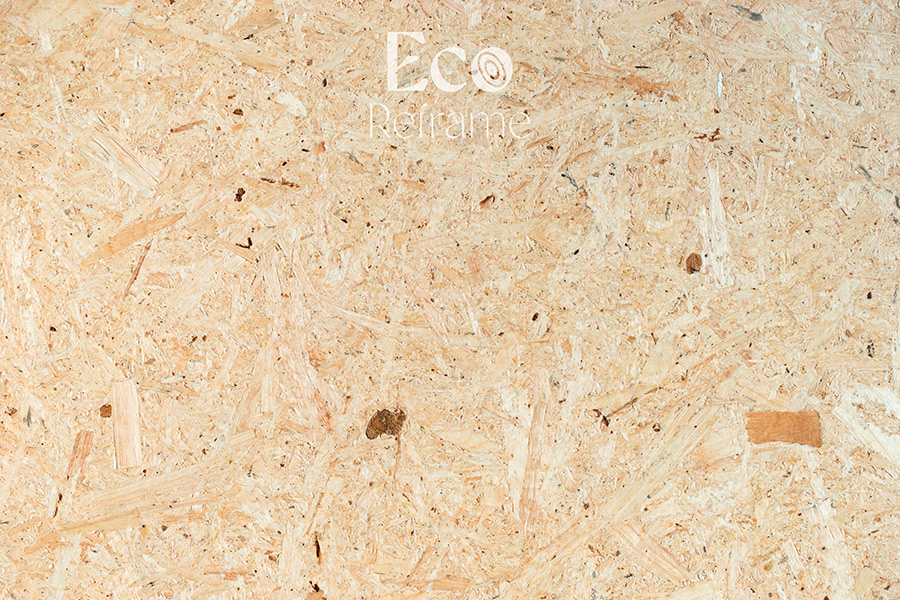
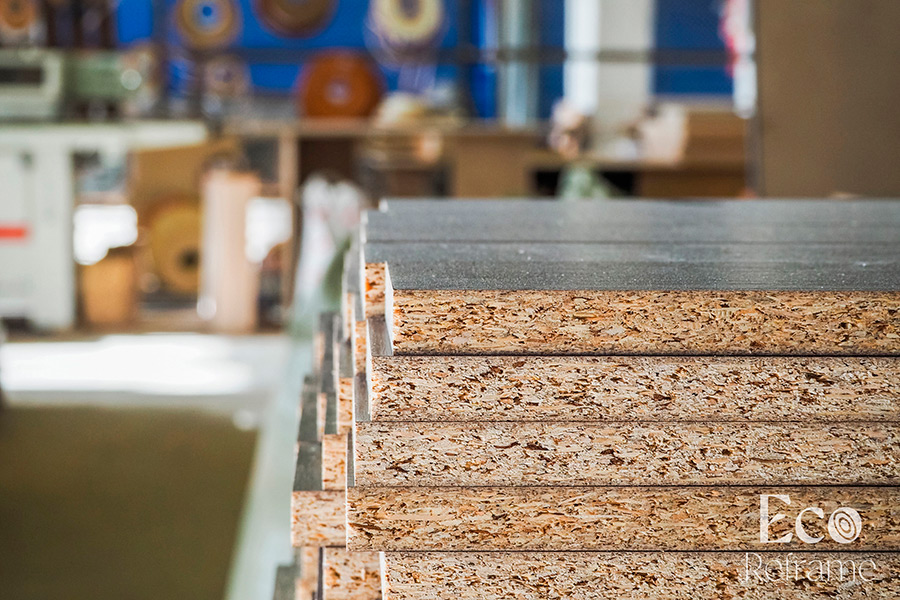
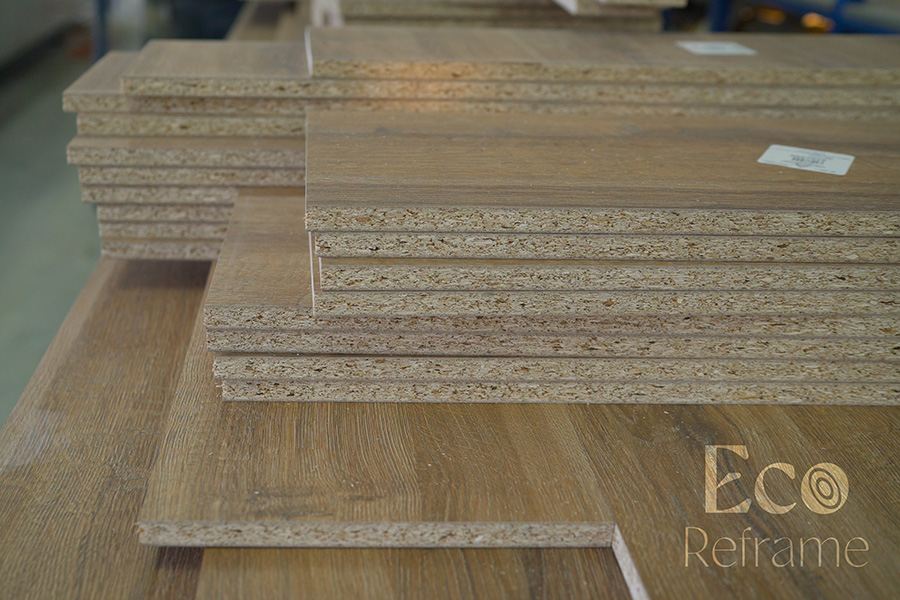
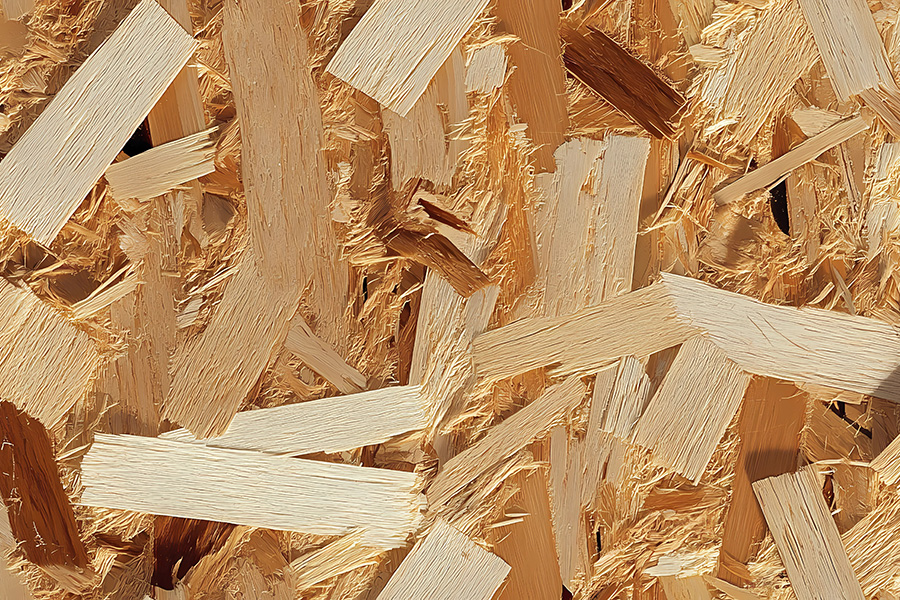
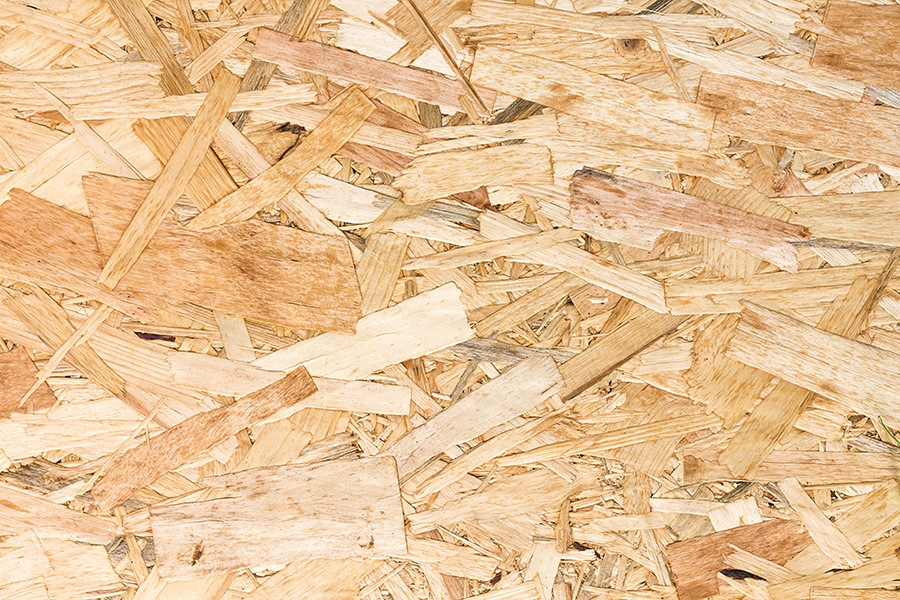
    Particleboard consists of wood chips and sawdust mixed with synthetic resin binders, then hot-pressed into rigid sheets. It is the most economical engineered wood panel, though it offers limited moisture and mechanical resistance.
    Properties

    • Density: Low to medium (600–800 kg/m³)
    • Moisture resistance: Poor; prone to swelling and warping
    • Strength: Low; suitable for non-structural applications
    • Machinability: Moderate; requires sharp tools
    • Cost: Very low; most affordable panel type

    Applications

    Furniture:

    • Kitchen and bathroom cabinet carcasses with melamine surface
    • Flat-pack wardrobes, bookshelves, and TV stands
    • Worktops and desks with laminated finishes in offices
    • Shelving inside built-in cupboards

    Container Interior Walls:

    • Non-structural shelving and sealed partitions (with vapor barrier)

    Exterior Façade (Portugal):

    • Not suitable; poor weather and UV resistance

    Specifications

    • Typical thickness: 16–25 mm
    • Sheet size: 1220 × 2440 mm (standard) or 1500 × 3000 mm
    • Fire classification: Generally poor; requires treatment
Medium-Density Fibreboard (MDF)
  • Description

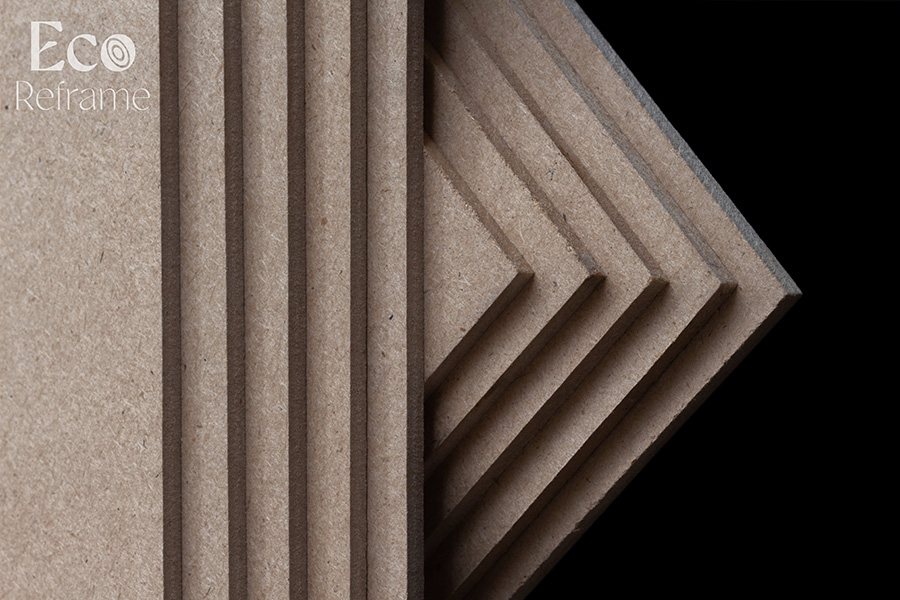
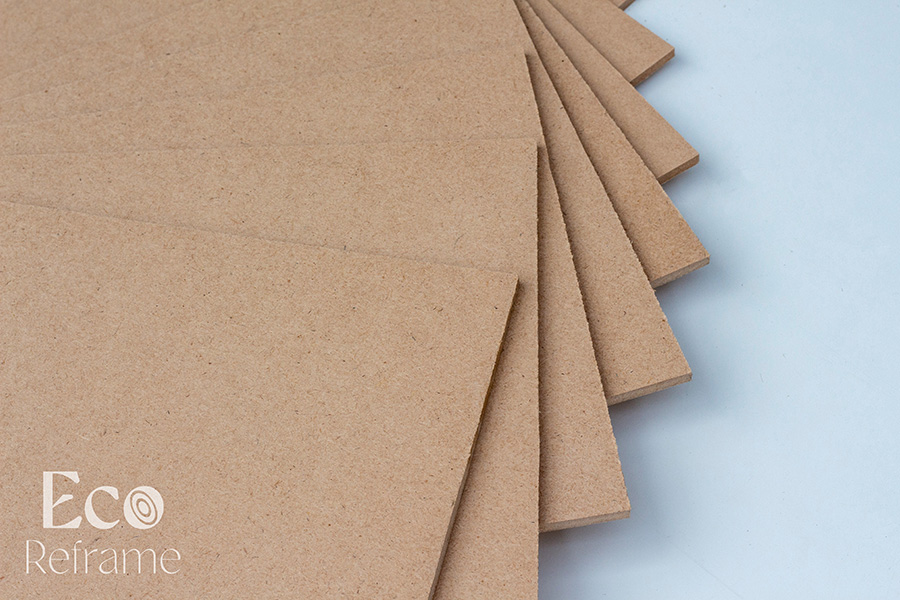
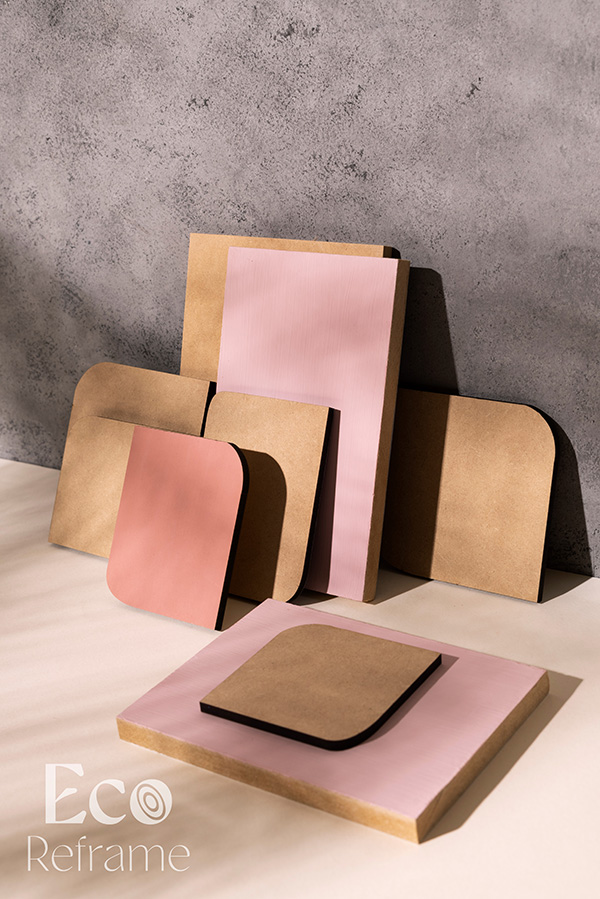
    MDF is produced by breaking down hardwood or softwood residues into fine fibers, which are then combined with wax and resin binders and hot-pressed into dense, uniform boards. MDF offers superior surface quality and machinability compared to particleboard.

    Properties

    • Density: Medium (600–800 kg/m³)
    • Moisture resistance: Moderate; better than particleboard but still vulnerable
    • Strength: Moderate; adequate for furniture and interior applications
    • Machinability: Excellent; allows routing, profiling, and milling
    • Cost: Low to moderate; more expensive than particleboard

    Applications

    Furniture:

    • Painted and routed cabinet and wardrobe doors
    • Interior decorative wall panels, wainscoting, and moldings
    • Speaker boxes and acoustic panels
    • Furniture parts with curved or profiled edges

    Container Interior Walls:

    • Smooth, painted wall linings in dry, climate-controlled areas

    Exterior Façade (Portugal):

    • Not recommended; swells with humidity and rain in coastal climates

    Specifications

    • Typical thickness: 6–25 mm
    • Sheet size: 1220 × 2440 mm or 1500 × 3000 mm
    • Density grades: Standard (650 kg/m³), high-density (900 kg/m³)
    • Fire classification: Flammable; check local regulations

High-Density Fibreboard (HDF) / Hardboard

  • Description

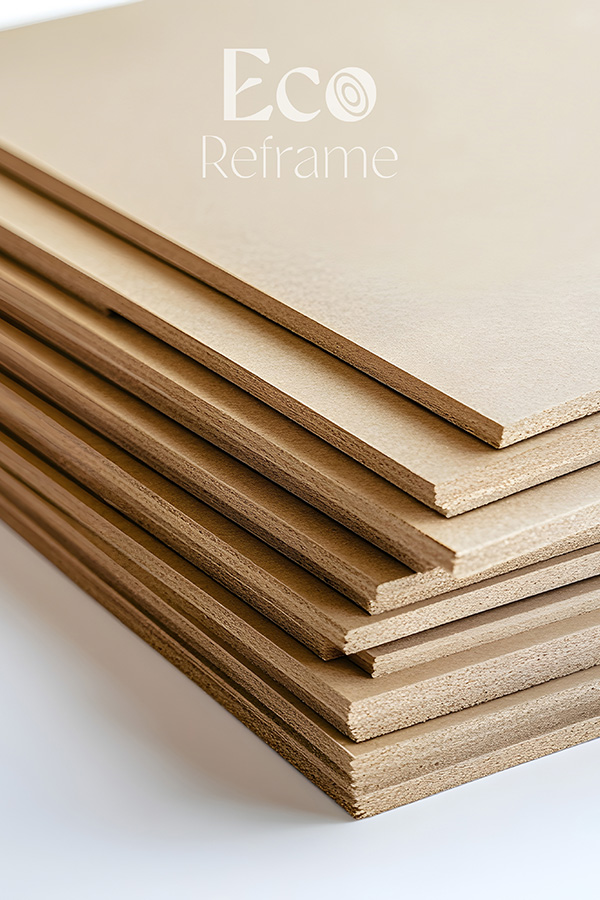
    HDF (or hardboard) is a denser variant of MDF, produced by compressing wood fibers even further with strong resin binders. It offers superior hardness and surface quality, making it ideal for overlay and backing applications.

    Properties

    • Density: High (900–1200 kg/m³)
    • Moisture resistance: Moderate; improved over MDF but still limited
    • Strength: High for a panel product; harder and more durable than MDF
    • Machinability: Good but challenging due to density
    • Cost: Moderate; slightly more expensive than MDF

    Applications

    Furniture:

    • Thin backing boards on wardrobes, kitchen cabinets, and chests[2][3]
    • Door skins on lightweight interior doors[2][3]
    • Drawer bottoms in mid-priced furniture[2][3]

    Container Interior Walls:

    • Backing or underlay panels behind visible finishes[26]

    Exterior Façade (Portugal):

    • Rarely viable; limited outdoor durability

    Specifications

    • Typical thickness: 3–8 mm
    • Sheet size: 1220 × 2440 mm
    • Surface: Smooth on one or both sides
    • Water resistance: Standard or moisture-resistant grades available

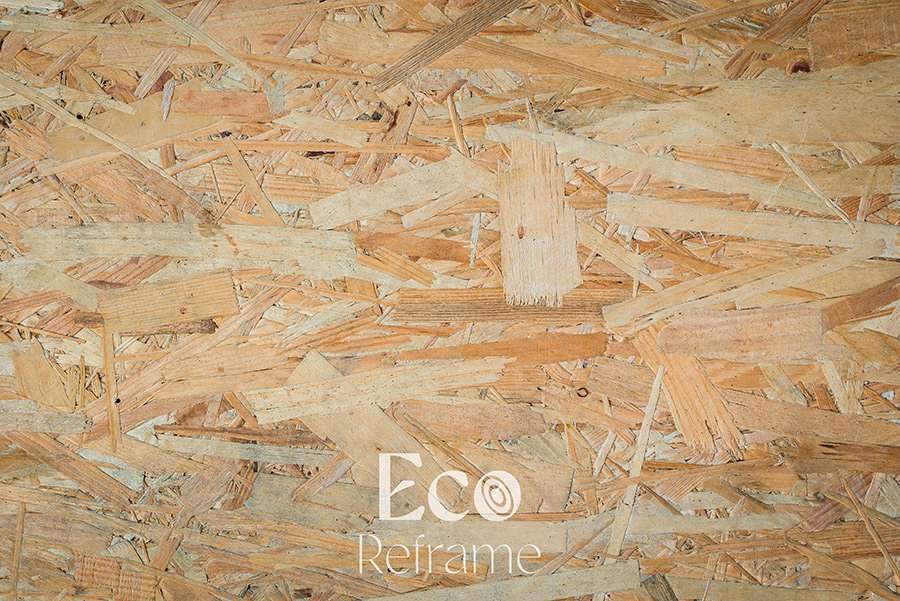
Oriented Strand Board (OSB)

  • Description

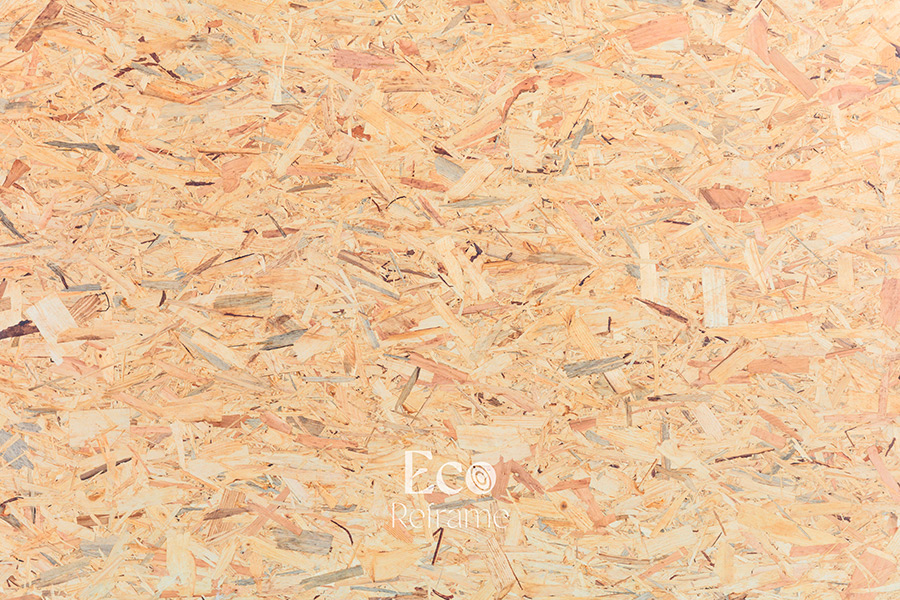
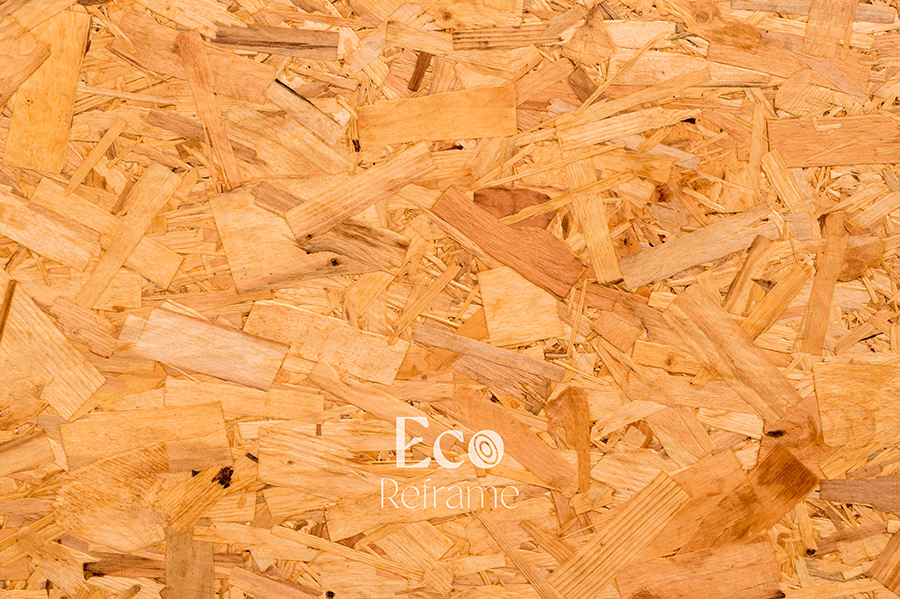
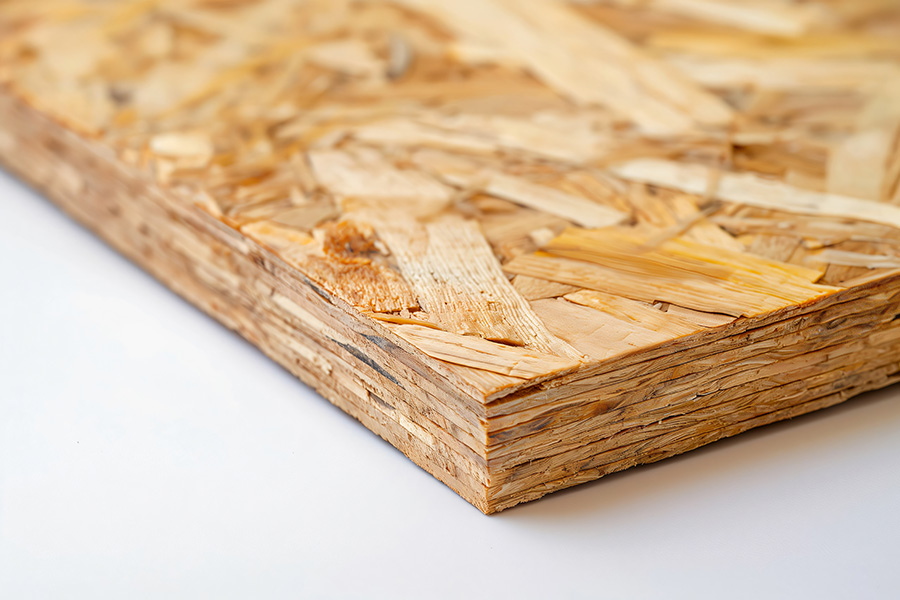
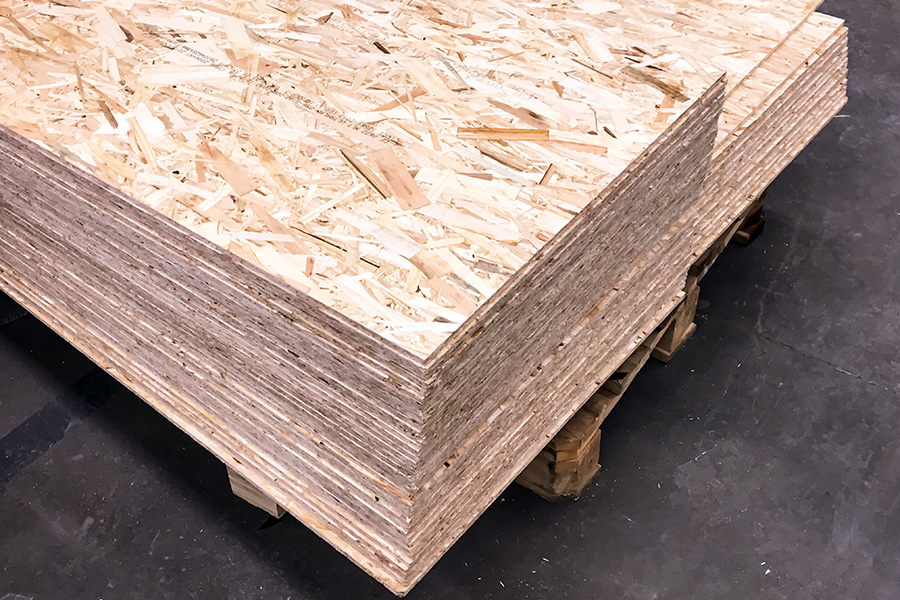
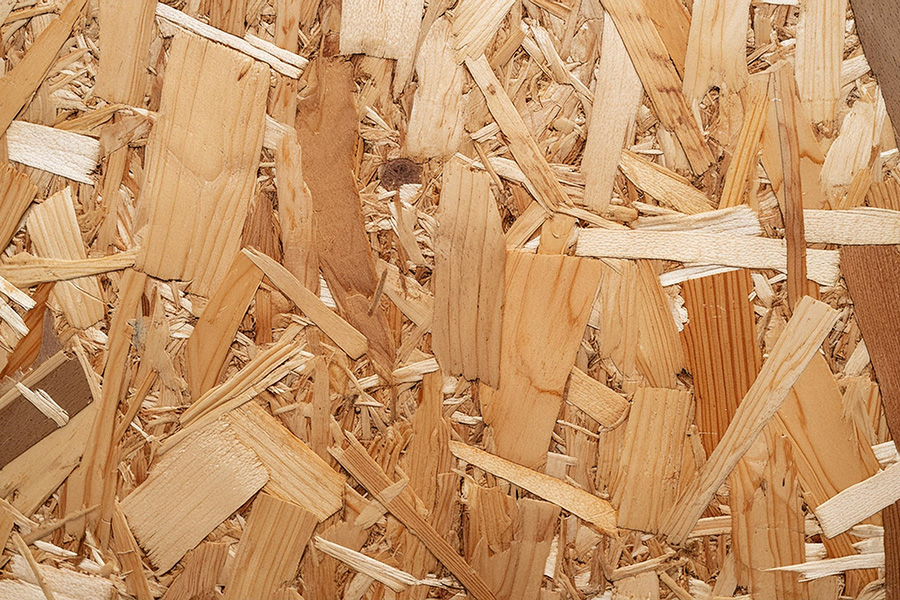
    OSB is made from large wood strands arranged in three perpendicular layers and bonded with moisture-resistant resin. Strands are typically aspen, pine, or fir. OSB offers structural strength comparable to plywood at lower cost.

    Properties

    • Density: Medium (600–700 kg/m³)
    • Moisture resistance: Moderate; improved over particleboard with exterior-grade options
    • Strength: High; structurally sound and widely used in framing
    • Machinability: Good for cutting and fastening
    • Cost: Low; more affordable than plywood

    Applications

    Container Interior Walls:

    • Structural sheathing post-insulation with foil-faced radiant barrier[23][26]
    • Subfloors or ceiling linings in modular construction[23]

    Exterior Façade (Portugal):

    • Base structural layer under cladding or façade finishes (requires full weatherproofing)[23]

    Other Uses:

    • Roof decking beneath roofing felt and tiles[2][3]
    • Temporary site hoarding, packaging crates, and construction platforms[2][3]

    Specifications

    • Typical thickness: 9–25 mm
    • Sheet size: 1220 × 2440 mm or 1250 × 2500 mm
    • Moisture resistance: Standard or exterior-grade (with waterproof resin)
    • Span rating: Denotes max. joist spacing for flooring/roofing use

Plywood

  • Description

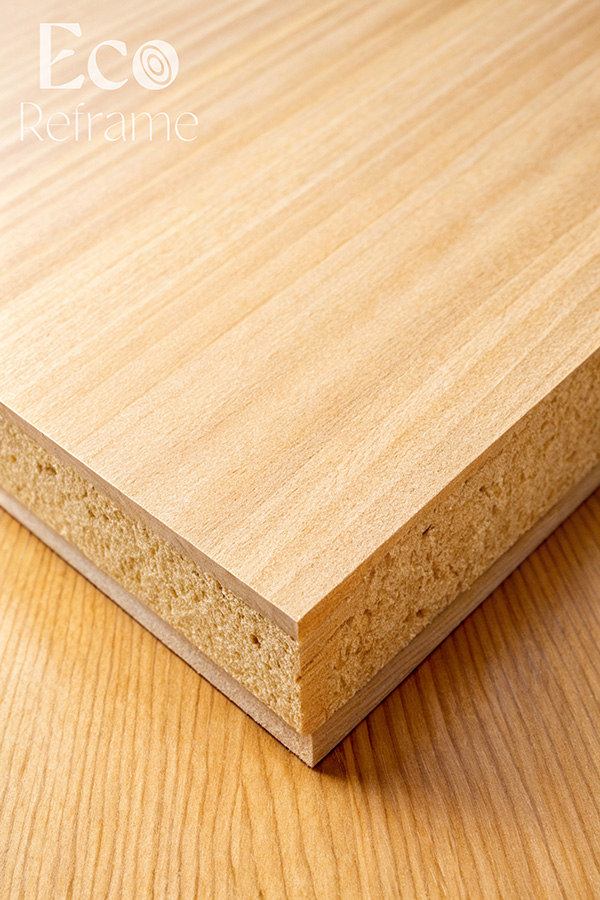
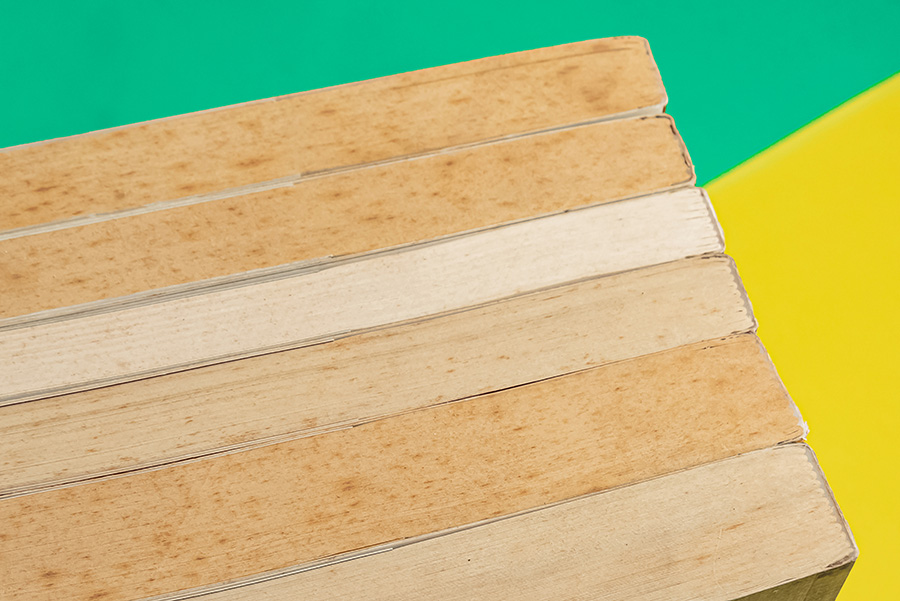
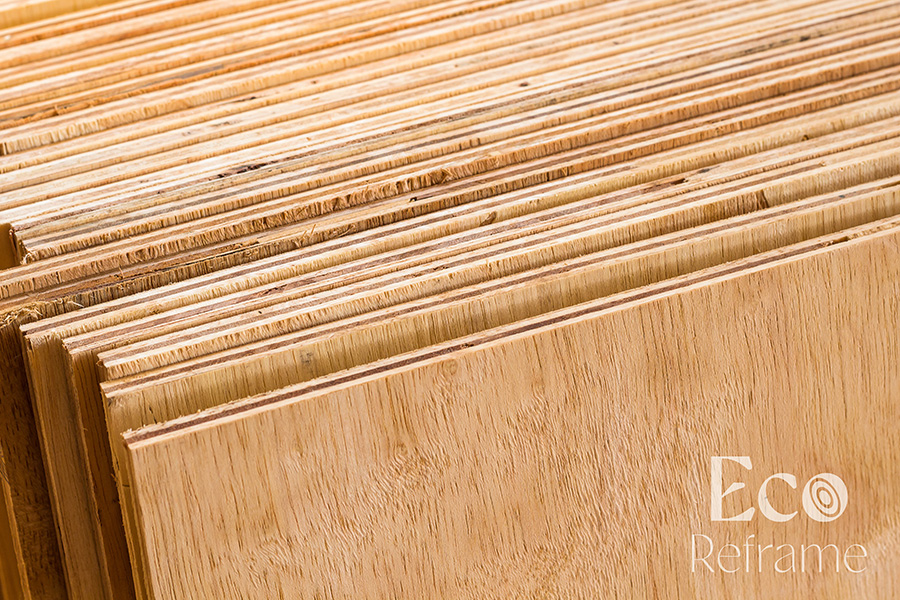
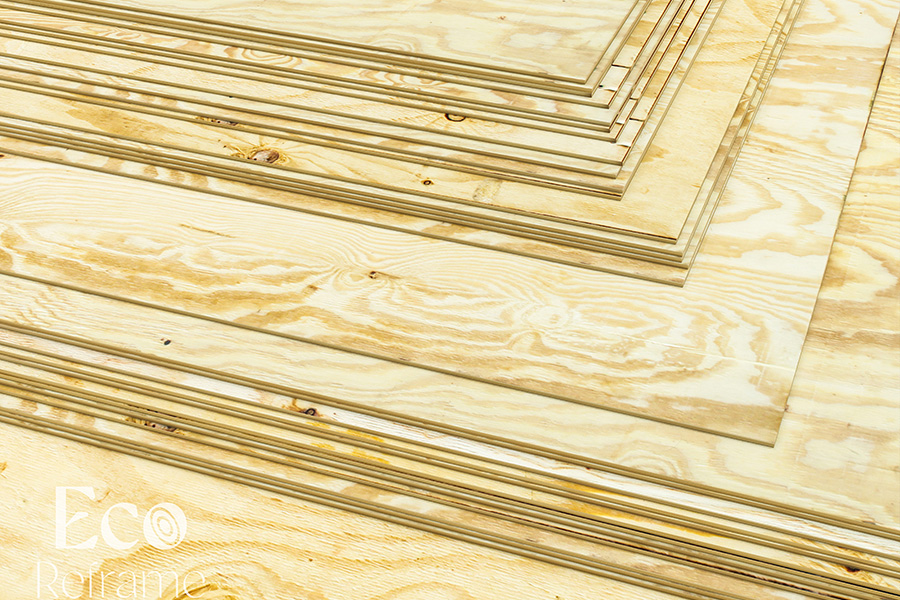
    Plywood is manufactured by gluing thin wood veneers (typically birch, pine, or fir) in alternating grain directions. This cross-lamination provides excellent strength, stability, and resistance to warping.

    Properties

    • Density: Medium (500–700 kg/m³, varies by veneer type)
    • Moisture resistance: Moderate (standard grade); good with marine-grade treatment
    • Strength: High; excellent in both tension and compression
    • Machinability: Good; cuts cleanly with appropriate tools
    • Cost: Moderate to high; depends on veneer quality and thickness

    Applications

    Container Interior Walls:

    • Exposed or painted linings (12–18 mm thick) for industrial aesthetic
    • Partition walls and ceiling panels, sealed for moisture control

    Furniture:

    • Strong shelves and table tops in container homes
    • High-quality cabinet carcasses and visible joinery

    Exterior Façade (Portugal):

    • Structural base or backing layer; treated heavily for UV and humidity (not primary finish)

    Other Uses:

    • Concrete formwork panels for beams, columns, and slabs
    • Vehicle floors (vans, trailers) and interior joinery in boats

    Specifications

    • Typical thickness: 6–25 mm
    • Sheet size: 1220 × 2440 mm or 1500 × 3000 mm
    • Veneer grades: Birch (premium), fir/pine (standard), marine plywood (exterior)
    • Moisture resistance: Standard or marine-grade (with waterproof glue)

Wood–Plastic Composite (WPC)

  • Description

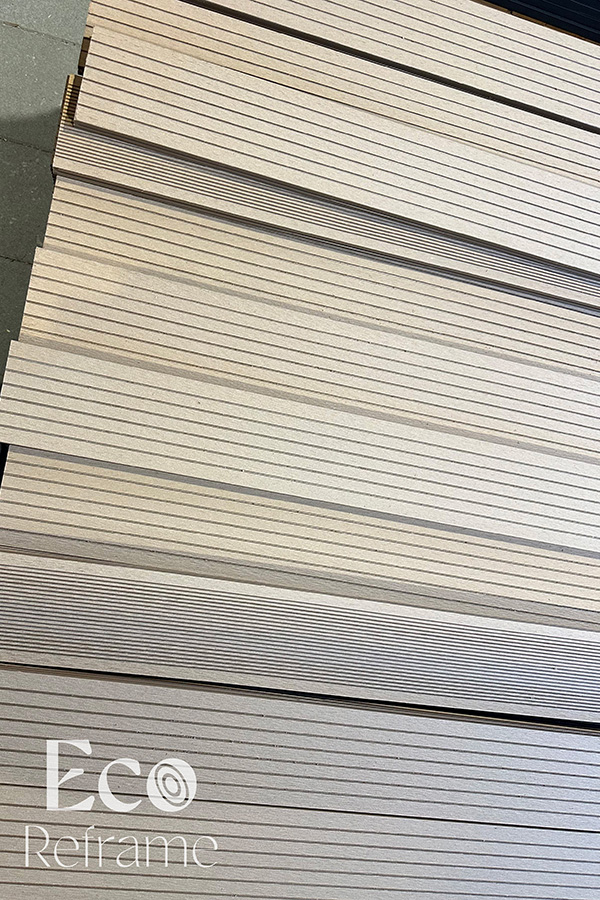
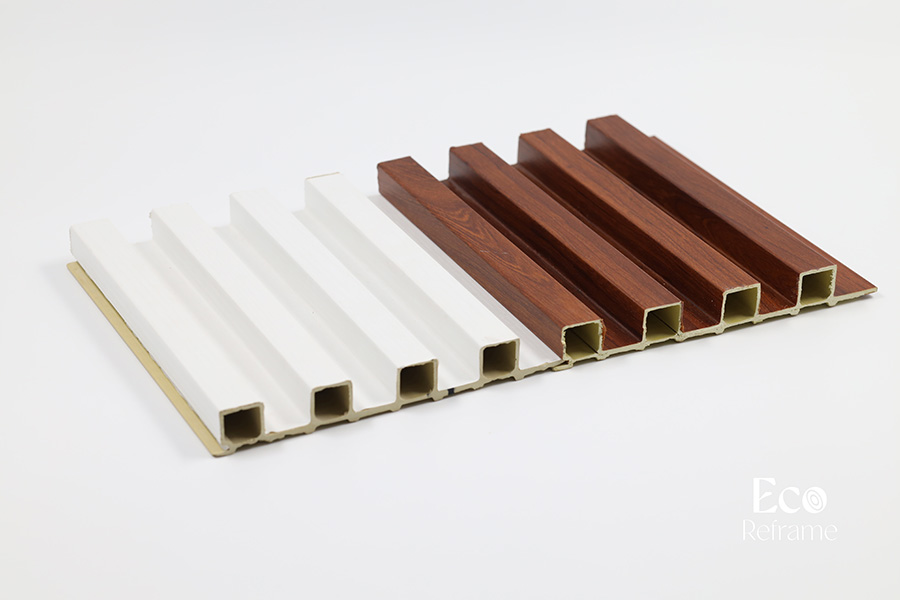
    WPC boards combine wood flour or fiber (typically 40–60% by weight) with thermoplastic polymers (PE, PVC, or PP). The mixture is extruded or injected-molded into boards, decking, or cladding elements. WPC offers superior moisture, UV, and rot resistance compared to natural wood.

    Properties

    • Density: Medium (500–900 kg/m³)
    • Moisture resistance: Excellent; inherently waterproof
    • UV resistance: Good to excellent (with UV stabilizers)
    • Strength: Moderate to good; varies by formulation
    • Machinability: Good; cuts and drills like wood but with blunting effect
    • Cost: High; 2–4× more expensive than solid wood or standard plywood

    Applications

    Container Interior Walls:

    • Moisture-resistant wall panels in wet areas (bathrooms, kitchens)

    Exterior Façade in Portugal:

    • Ventilated cladding panels (e.g., CWALL-style systems) ideal for coastal humidity and rain
    • Decking or balcony extensions on coastal container sites
    • Long-lasting façades with minimal maintenance

    Furniture:

    • Outdoor tables, chairs, and fixtures near container homes

    Other Uses:

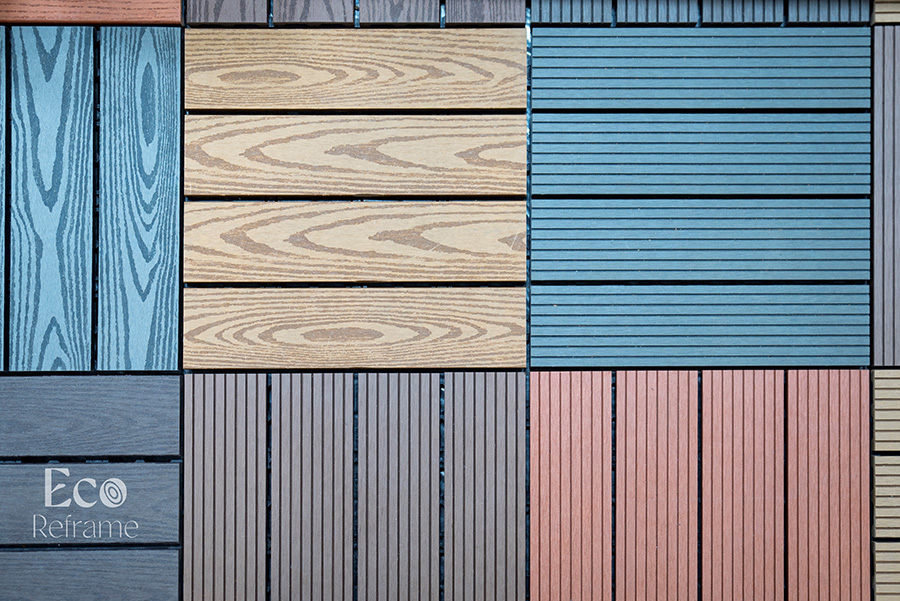
    • Exterior decking boards on terraces, balconies, and pool surrounds
    • Garden fences, pergola elements, and privacy screens

    Specifications

    • Typical thickness: 20–30 mm (boards), 8–12 mm (panels)
    • Sheet/board size: 100–200 mm wide, 3–6 m long (decking); custom cladding panels
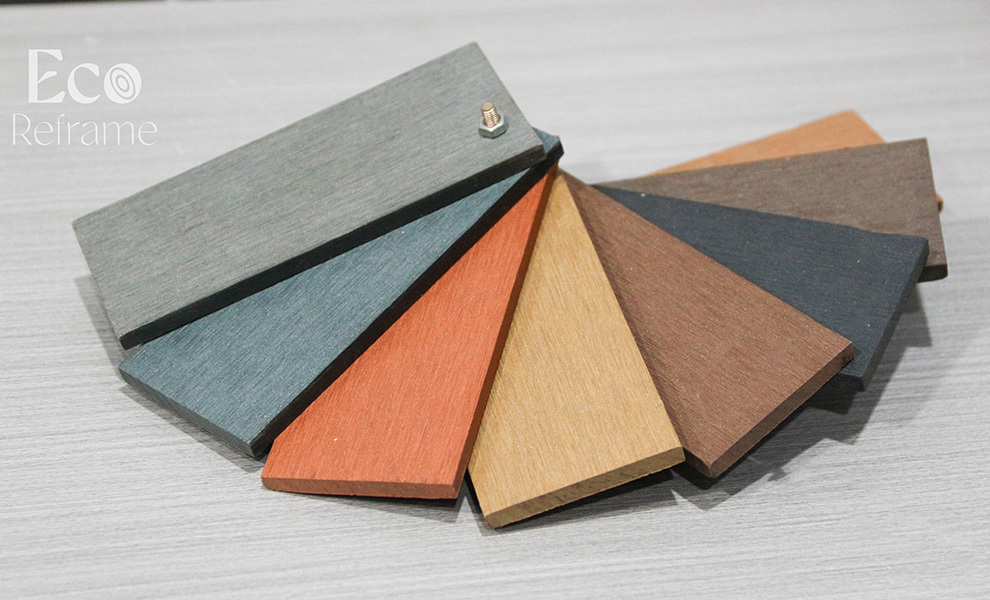
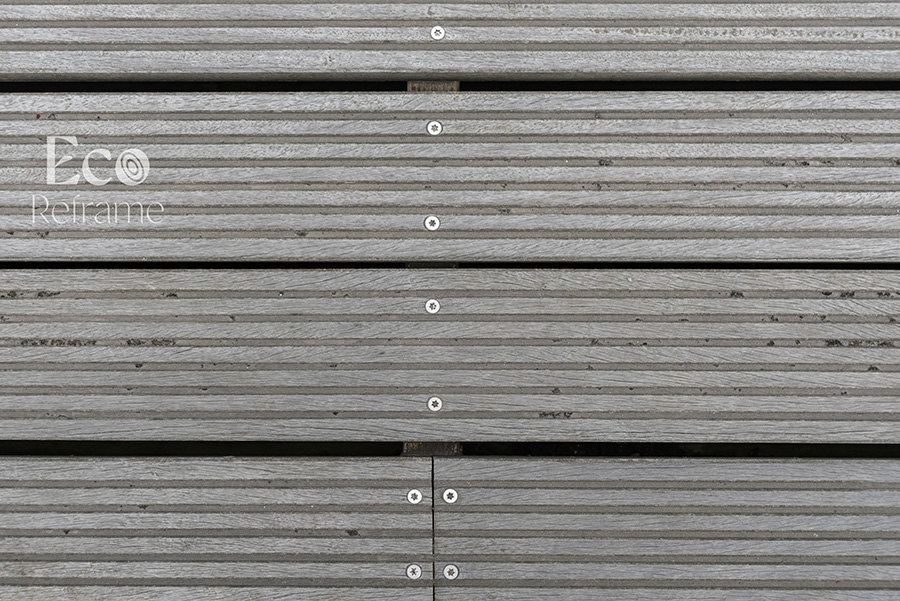
    • Color/finish: Natural wood tones (gray, brown, mahogany); some with textured surfaces
    • Life expectancy: 15–25+ years with minimal maintenance
    • Recyclability: Partial; some WPC products are recyclable

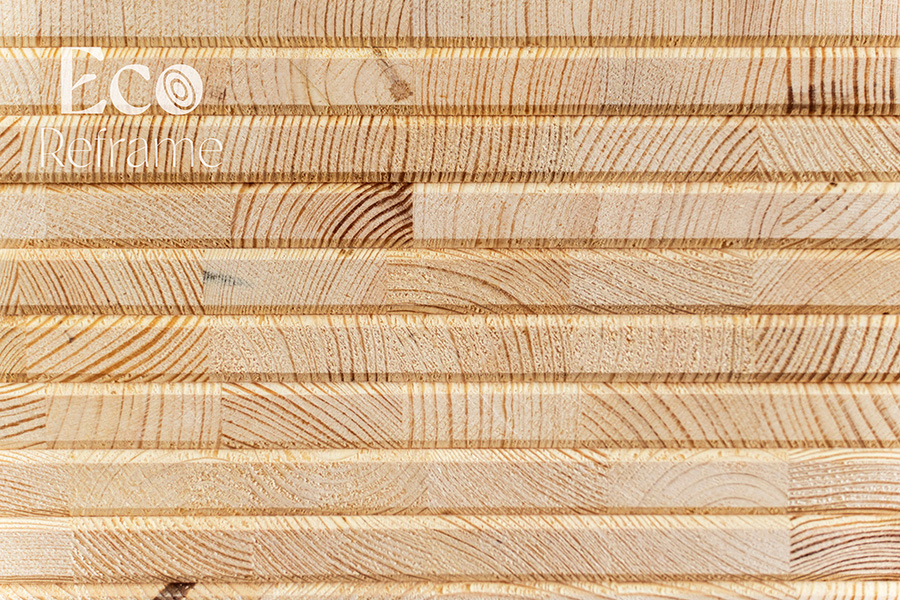
Laminated Veneer Lumber (LVL) and Structural Panels

  • Description

    LVL, PSL (Parallel Strand Lumber), and LSL (Laminated Strand Lumber) are engineered beams made by laminating veneers, strands, or composite materials. Glulam beams combine solid wood laminates for large structural members.

    Properties

    • Density: Medium (varies by type; LVL ~600 kg/m³)
    • Moisture resistance: Moderate (standard grade)
    • Strength: Very high; superior strength-to-weight ratio
    • Straightness: Excellent; minimal warping or twist
    • Cost: Moderate to high; premium engineered product

    Applications

    Container Interior Walls:

    • Reinforcing beams or headers for large door/window cutouts

    Exterior Façade (Portugal):

    • Support beams for façade overhangs or architectural elements

    Other Uses:

    • Beams over wide openings (garage doors, large windows, sliding doors)
    • Rim boards and headers in multi-storey timber construction
    • Long-span roof beams in halls and warehouses

    Specifications

    • Typical dimensions: 35×63 mm to 45×240 mm (varies)
    • Length: Up to 18+ meters available
    • Moisture resistance: Standard or treated for exterior use
    • Load ratings: Engineered for specific span and load capacity

Applications by Context

Container Interior Walls

Panel Type Suitability Notes
Particleboard Low Requires sealed partitions; limited humidity resistance
MDF Moderate Smooth painted linings in dry areas only
HDF Moderate Backing/underlay behind primary finishes
OSB High Structural sheathing post-insulation
Plywood High 12–18 mm for exposed, painted linings
LVL Moderate Headers and structural reinforcement
WPC Moderate Wet areas (bathrooms); moisture-resistant panels

Table 1: Suitability of synthetic wood panels for container interior walls


Recommendation: Use plywood or OSB with proper insulation and vapor barriers for durability and strength. Add interior finishes (paint, MDF facing) as desired.

Exterior Façade in Portugal

Panel Type Suitability Notes
Particleboard Not suitable Poor UV/moisture resistance
MDF Not suitable Swells in humid climate
HDF Not suitable Limited outdoor durability
OSB Low Requires heavy weatherproofing; typically base layer only
Plywood Moderate Marine-grade treated; structural base for cladding
LVL Moderate Support structure for overhangs
WPC High Ideal for Portuguese coastal climate; ventilated cladding

Table 2: Suitability of synthetic wood panels for exterior façade in Portugal


Recommendation: Use WPC panels or Viroc (cement-wood composite, locally available in Portugal) for ventilated cladding systems. Comply with RJUE modular building standards and fire classifications.

Furniture

Panel Type Suitability Typical Use
Particleboard High Cabinet carcasses, flat-pack furniture, budget option
MDF High Painted doors, moldings, routed elements
HDF Moderate Drawer bottoms, backing panels
OSB Not suitable Too rough for visible furniture
Plywood High Premium shelves, tabletops, visible joinery
LVL Moderate Heavy-duty frames and structural elements
WPC Low Outdoor pieces only

Table 3: Suitability of synthetic wood panels for furniture applications


Recommendation: Use particleboard for cost-effective cabinets and flat-pack designs; MDF for high-quality painted finishes; plywood for premium, visible furniture.

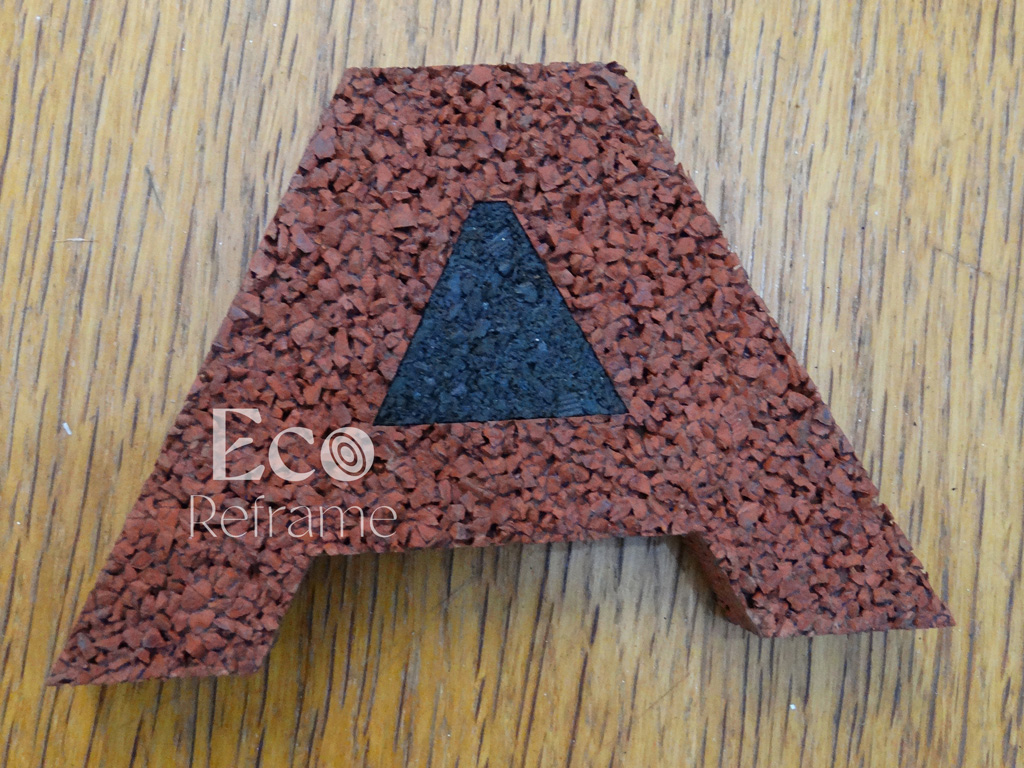
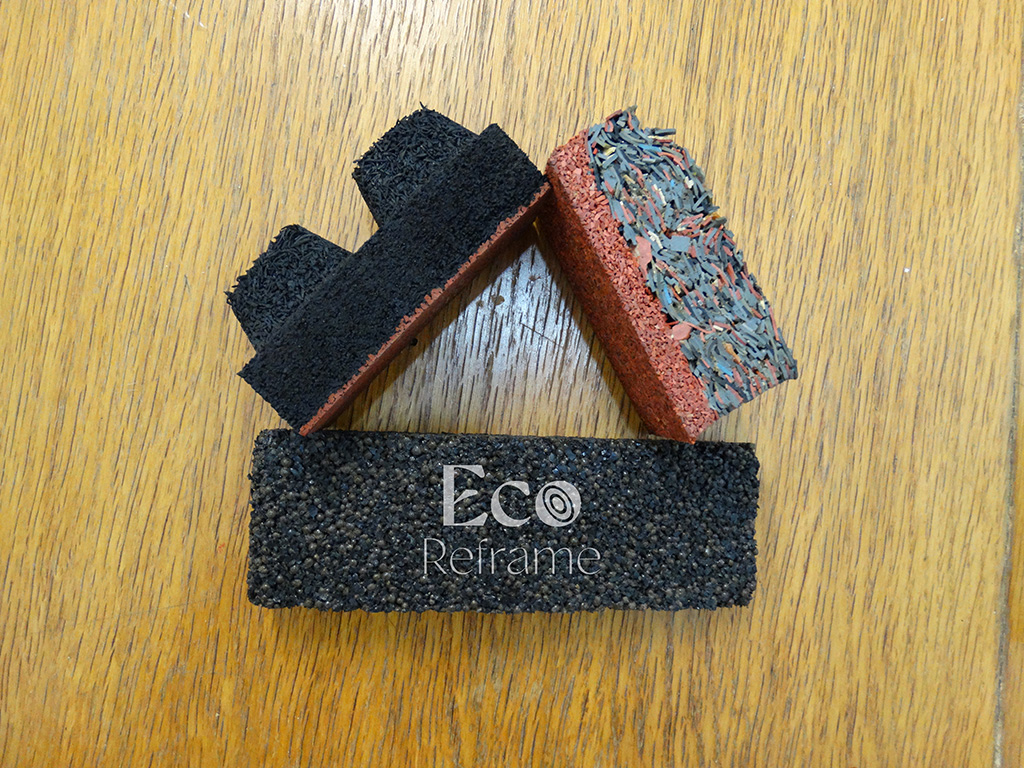
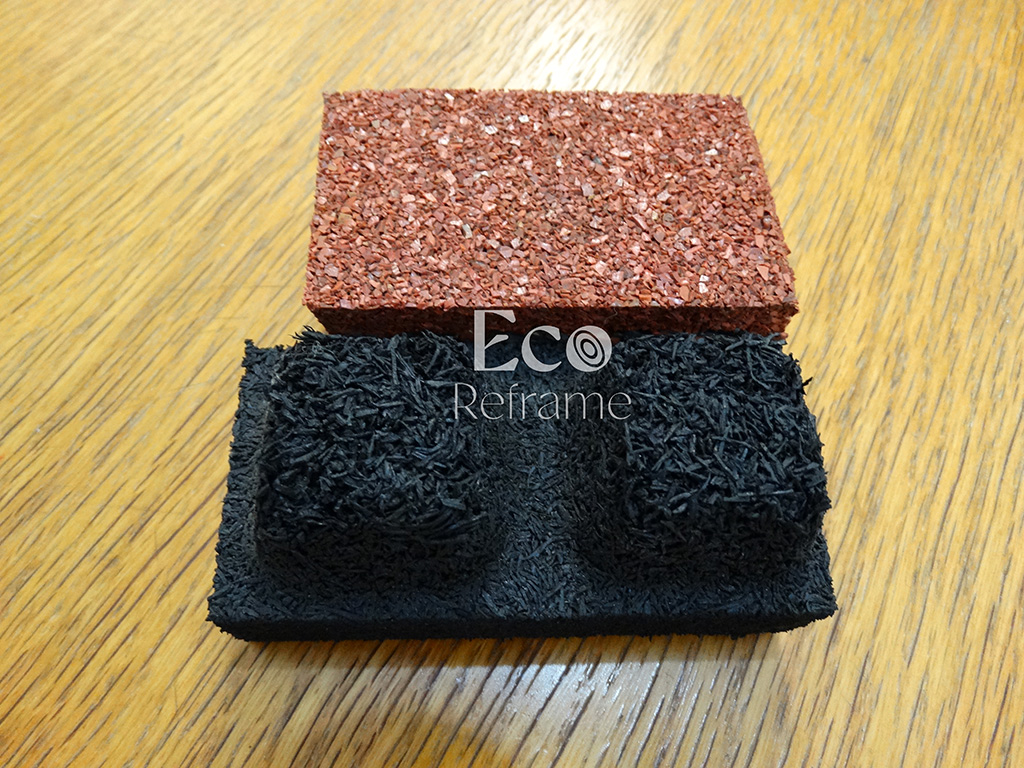
Rubber products:

Doprava a balení

  • Ochranné podložky pro přepravu
    Rázově tlumicí podložky, které chrání zboží během přepravy před poškozením.

    Ochranné podložky jako obalový materiál
    Gumové podložky používané jako vnitřní nebo vnější ochranná vrstva v obalech.

    Lisované díly pro obaly
    Tvarované gumové díly přizpůsobené konkrétním výrobkům pro jejich zafixování a odpružení.

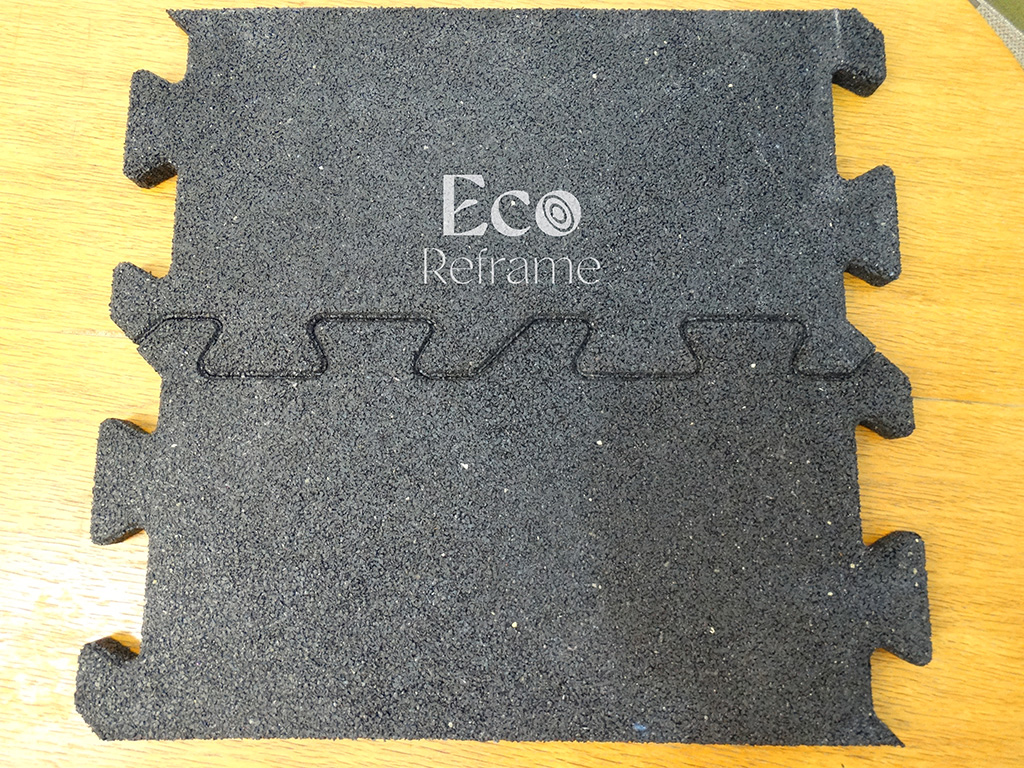
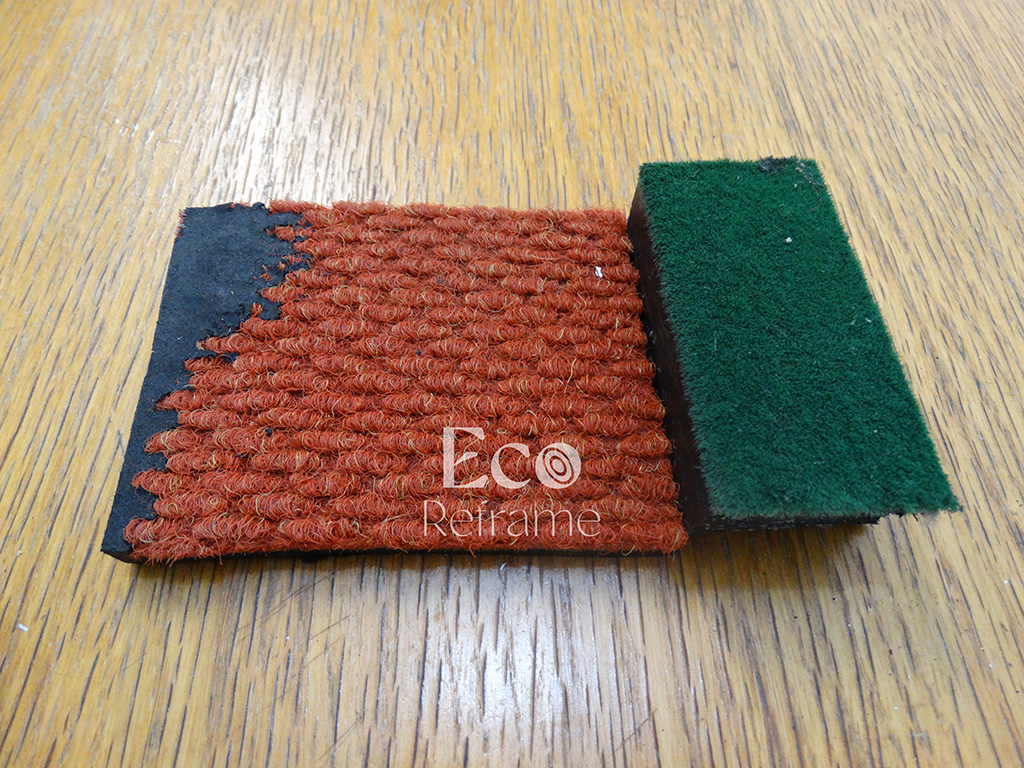
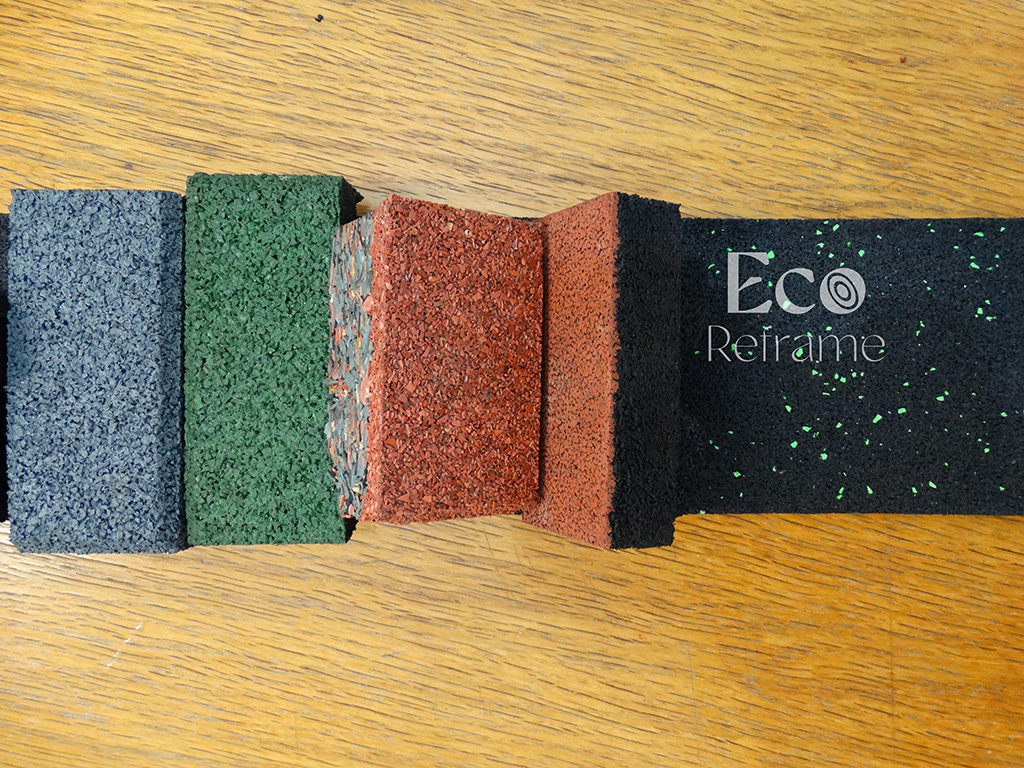
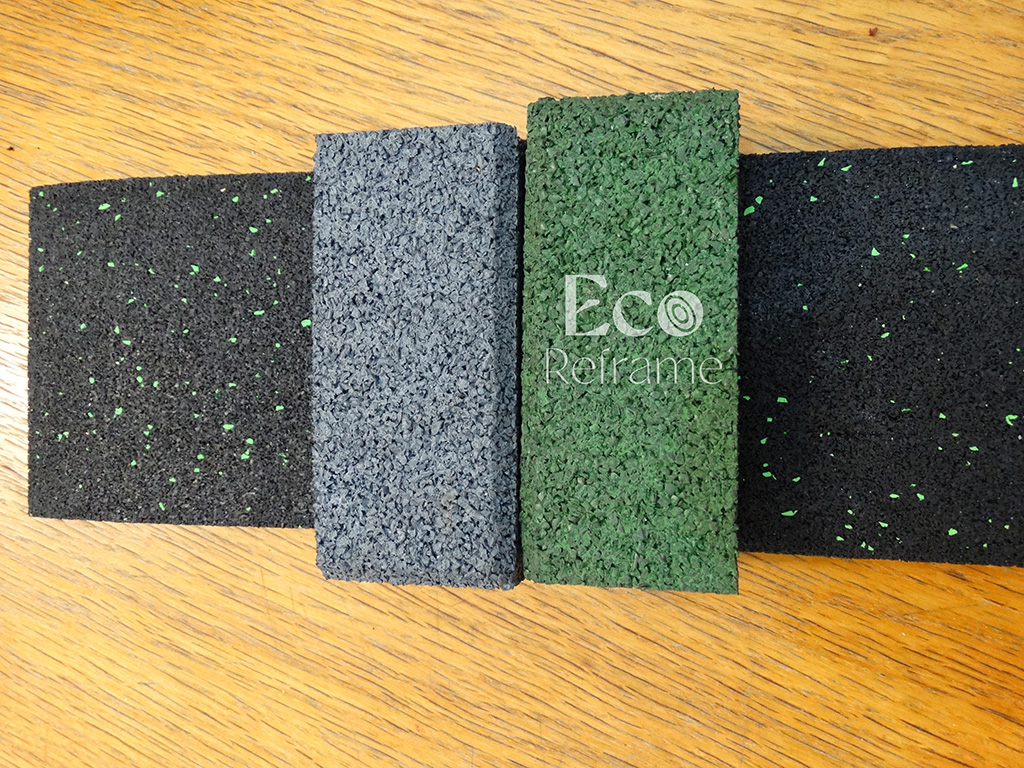
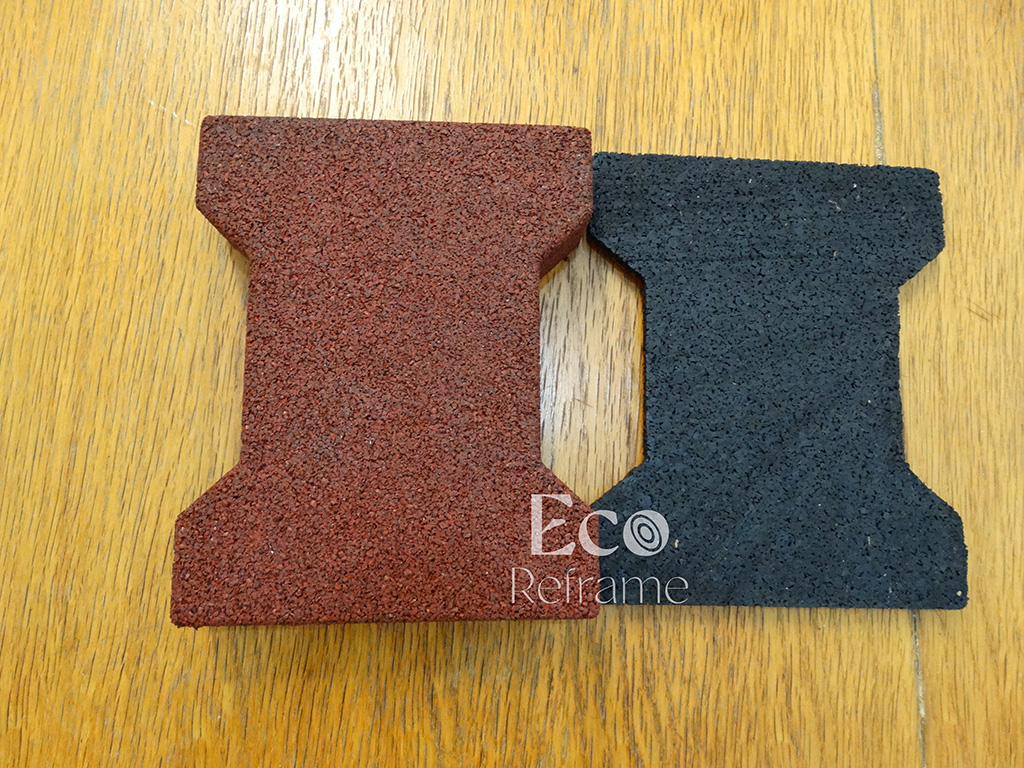
Bezpečnostní a sportovní podlahy

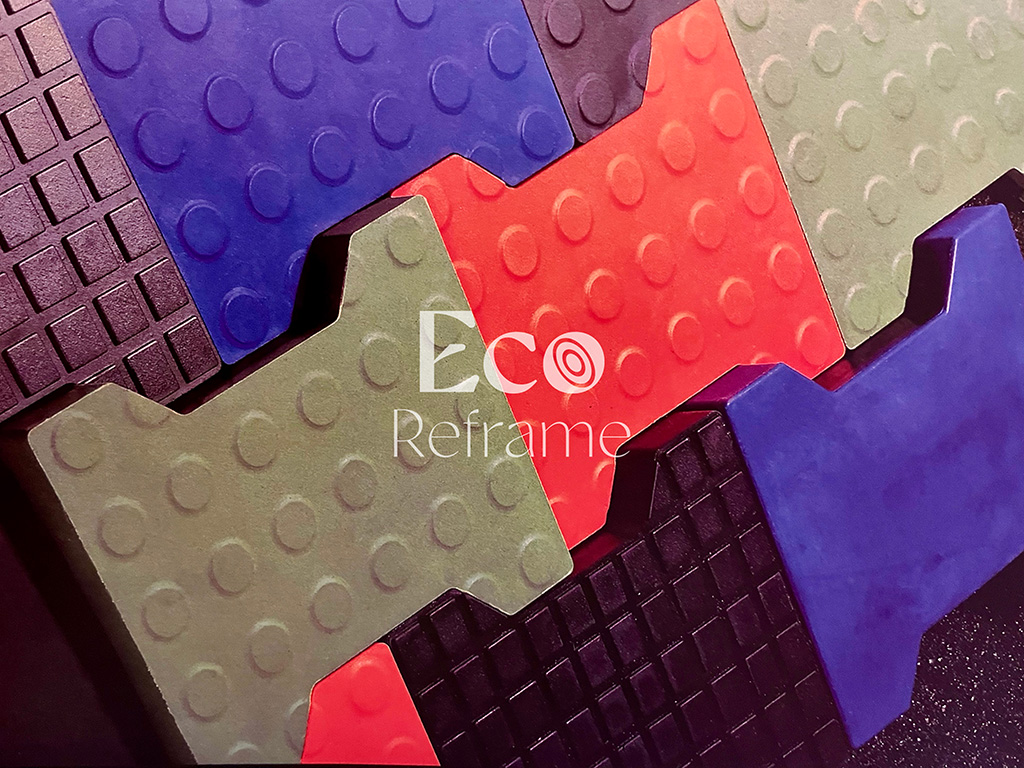
  • Desky pro ochranu proti pádu
    Náraz tlumící desky, které snižují zranění při pádech na hřištích a sportovištích.

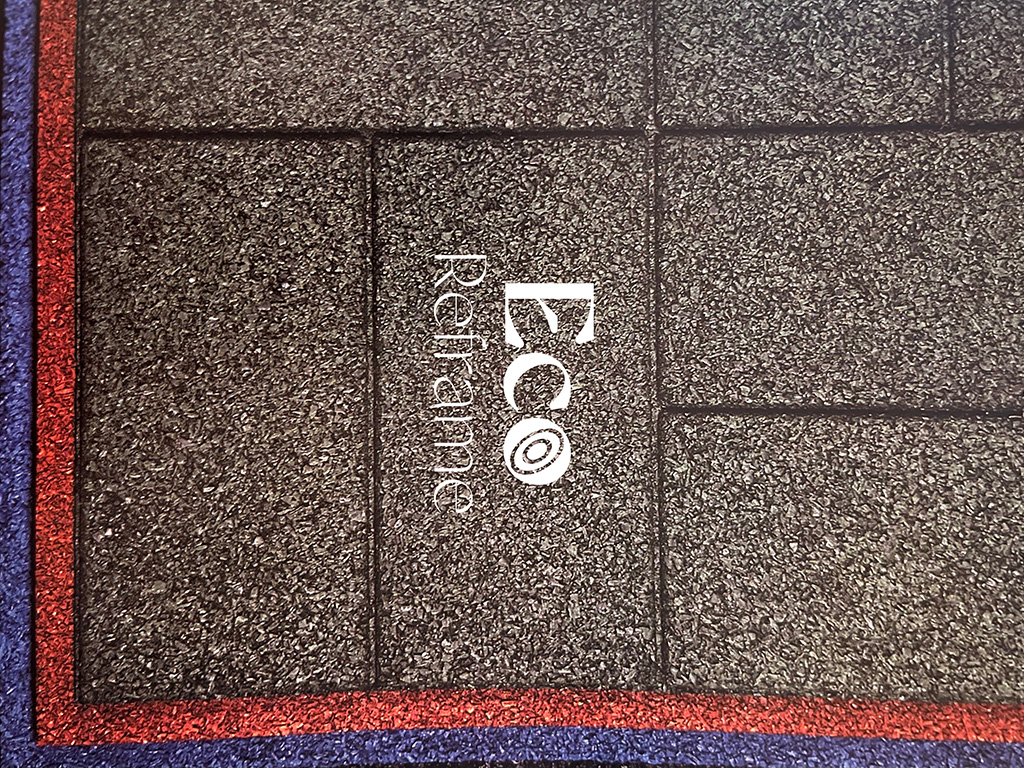
    Propustné a nepropustné podlahové krytiny
    Gumové podlahy, které buď odvádějí vodu, nebo vytvářejí uzavřený, těsný povrch.

    Náhradní potěr jako desky nebo pro zabudování na stavbě
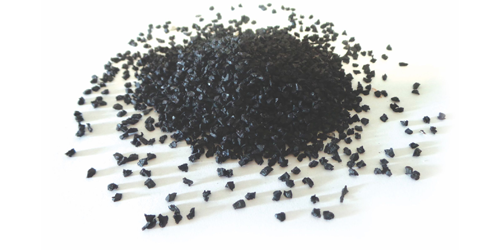
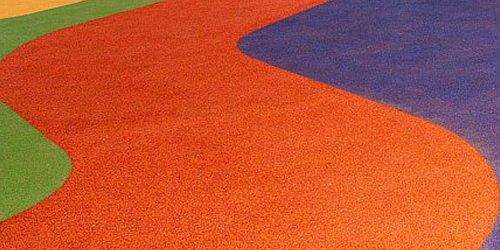
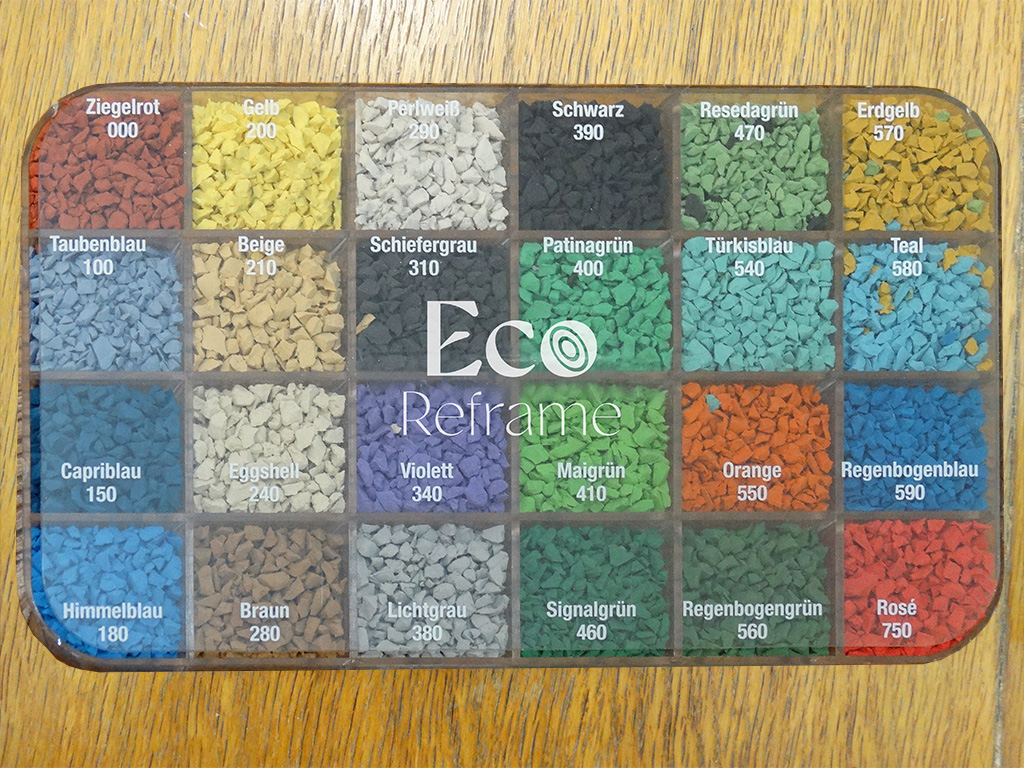
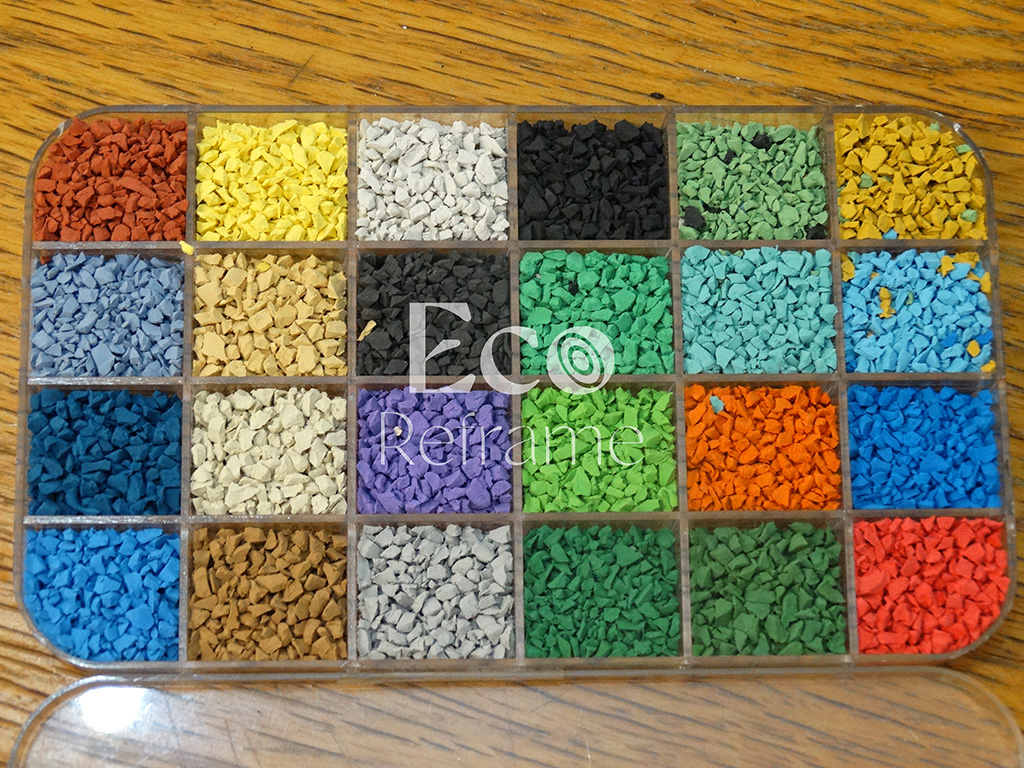
    Povrchy z gumového granulátu, používané místo potěru, předem vyrobené nebo instalované na místě.

    Vysoce výkonné sportovní povrchy pro vnitřní a venkovní použití, propustné a nepropustné
    Velmi elastické a trvanlivé sportovní podlahy pro haly a venkovní areály.

    Povrchy dle norem DIN
    Gumové povrchy splňující konkrétní normy DIN pro bezpečnost a kvalitu.

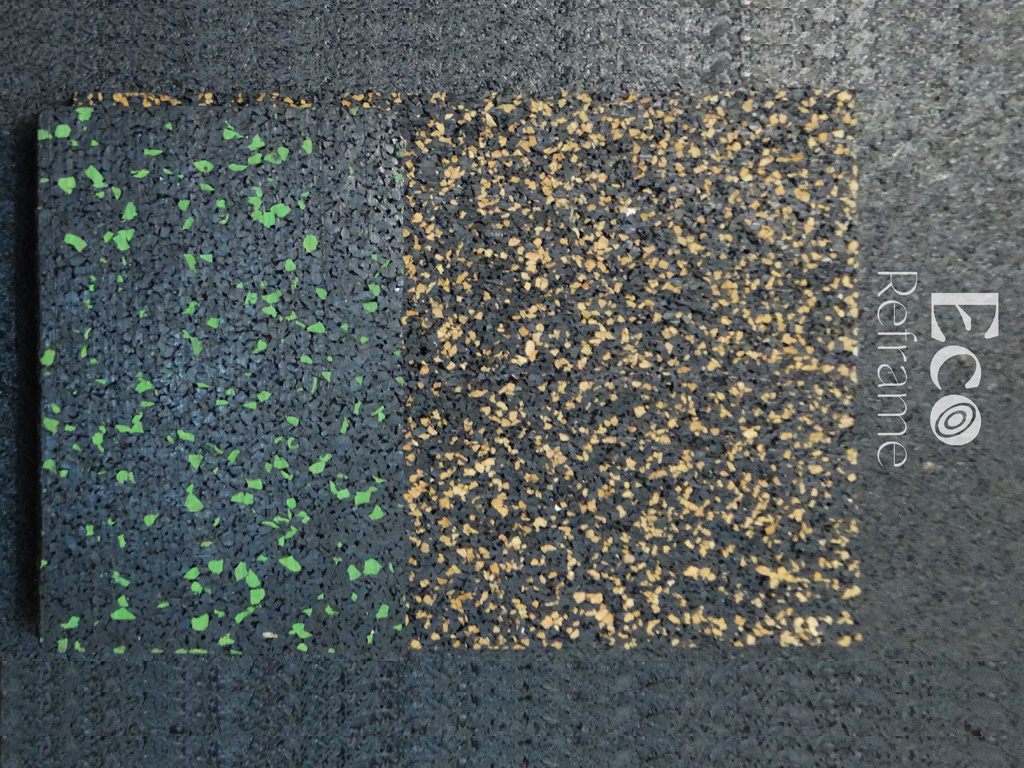
    Volnočasové povrchy
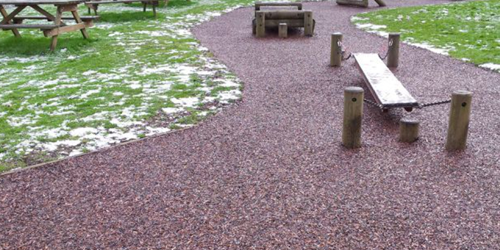
    Krytiny pro volnočasové plochy, jako jsou dětská hřiště, parky a multifunkční zóny.

    Gymnastické podložky
    Měkké podložky pro gymnastiku, fitness a rehabilitaci.

    Golfové desky
    Speciální gumové desky pro cvičné zóny nebo odpaliště v golfu.

Stavebnictví a pozemní stavitelství

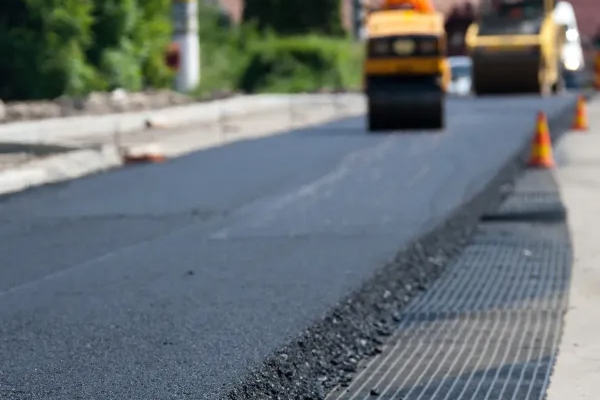
  • Přísada do asfaltu ve výstavbě silnic
    Gumový granulát se přidává do asfaltu pro lepší útlum hluku a odolnost proti trhlinám.

    Náhradní povrch potěru (viz výše)
    Alternativa ke klasickému potěru s elastickými vlastnostmi.

    Ochranné podložky v podzemních garážích a jako stavební ochranné rohože
    Podložky, které chrání konstrukční prvky a hydroizolace před mechanickým zatížením, vlhkostí a otěrem.

Izolace a stavební prvky

  • Tepelně izolační desky
    Desky s dobrými tepelně izolačními vlastnostmi pro budovy a technická zařízení.

    Zvukově izolační desky
    Gumové desky, které snižují hluk šířený vzduchem i konstrukcí v budovách.

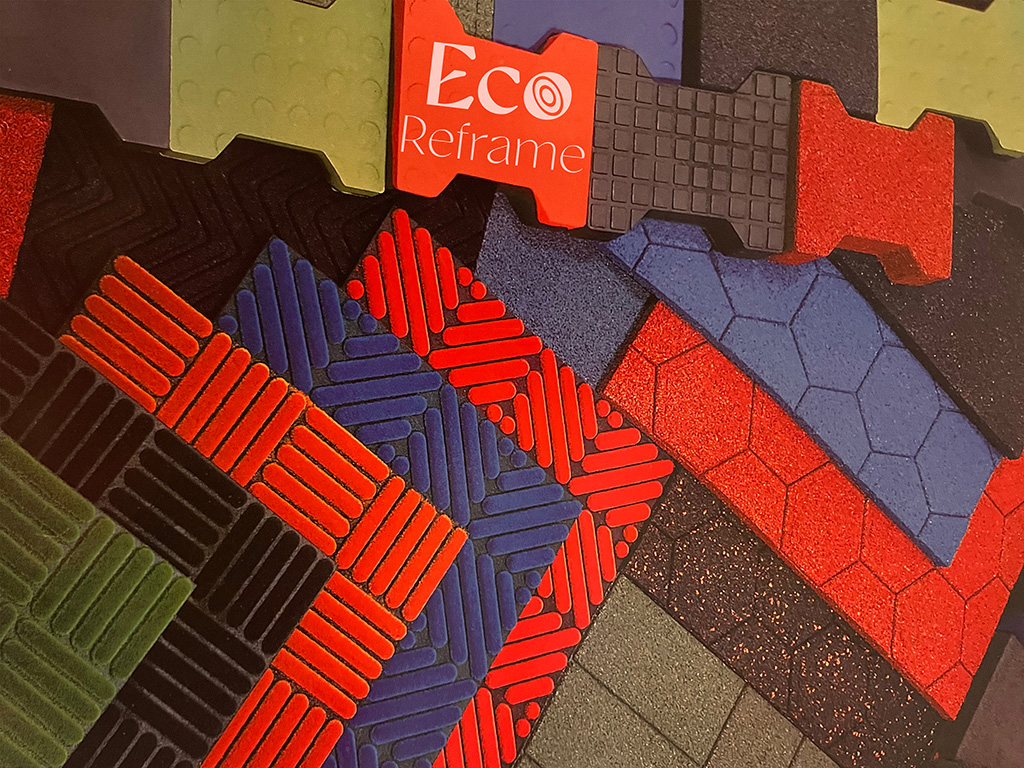
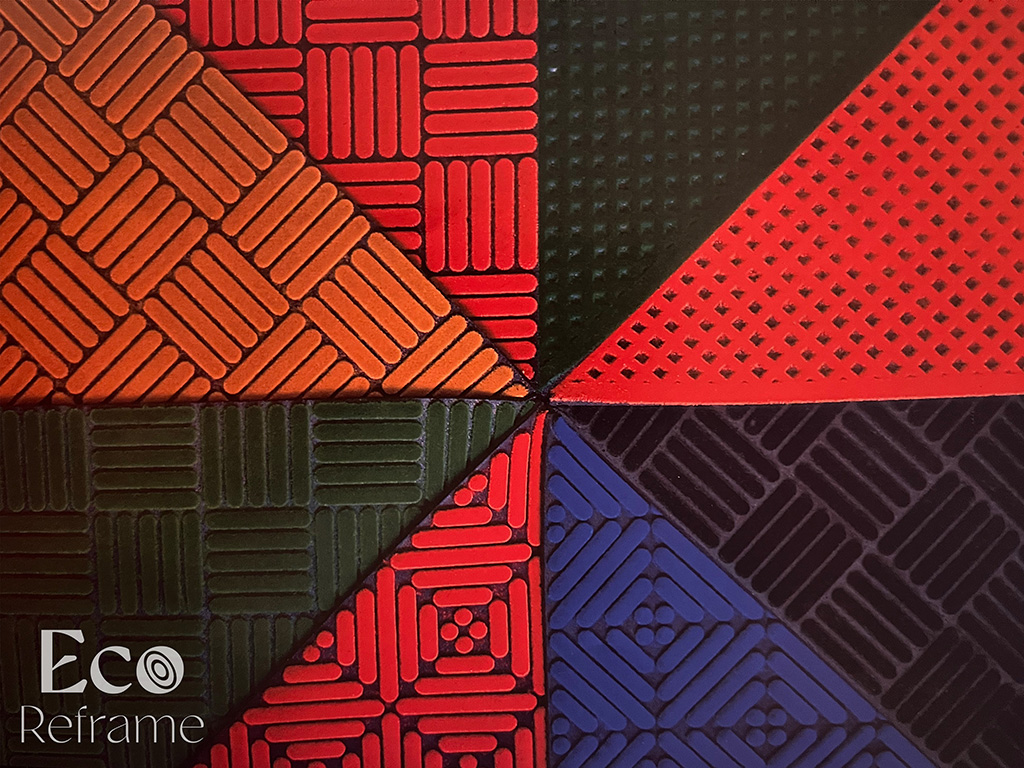
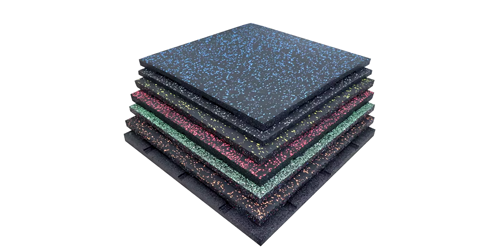
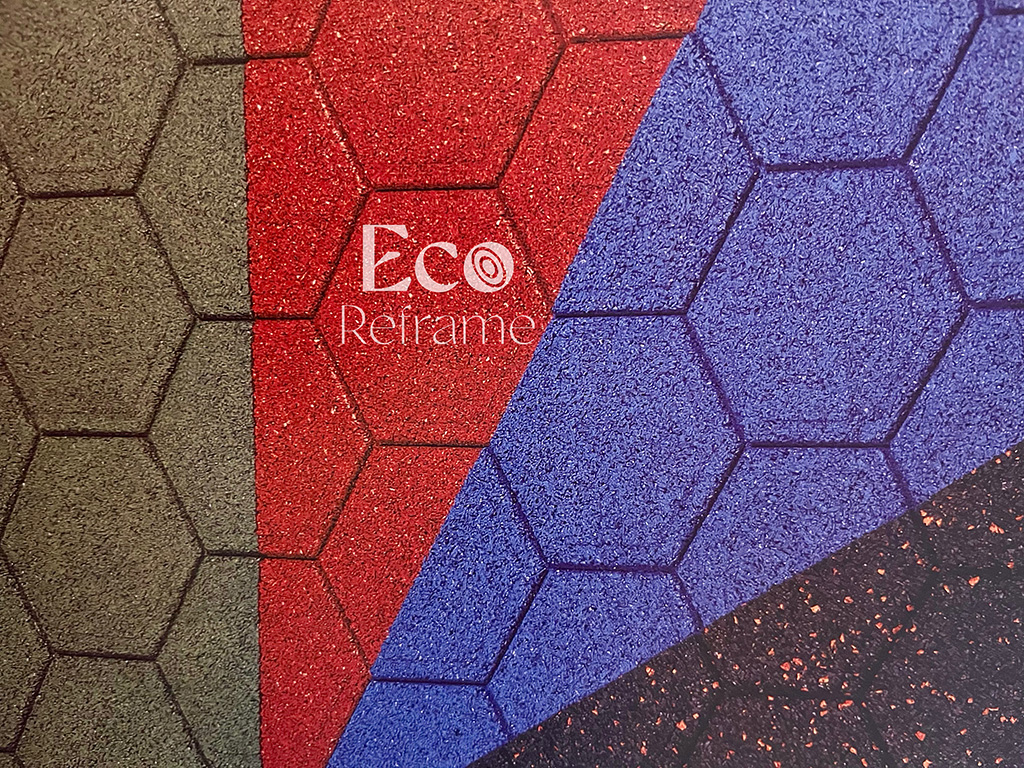
    Designové desky v různých barvách, tvarech a vzorech jako podlahové, stěnové a střešní krytiny
    Desky, které spojují funkční izolaci s dekorativním vzhledem.

Zemědělské a živočišné využití

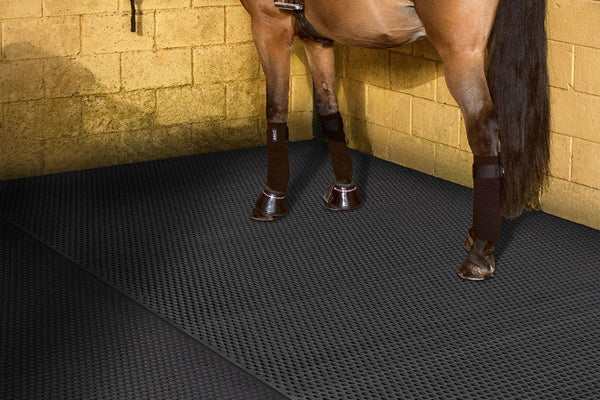
  • Stájové podložky a ochranné podložky ve stájích pro koně
    Elastické, protiskluzové podložky zvyšující komfort a bezpečnost zvířat.

    Vyhřívané podložky pro zvířata
    Gumové podložky s integrovaným vytápěním nebo izolačním účinkem pro temperování odpočinkových ploch.

Wooden Products Made of Recycled Wood

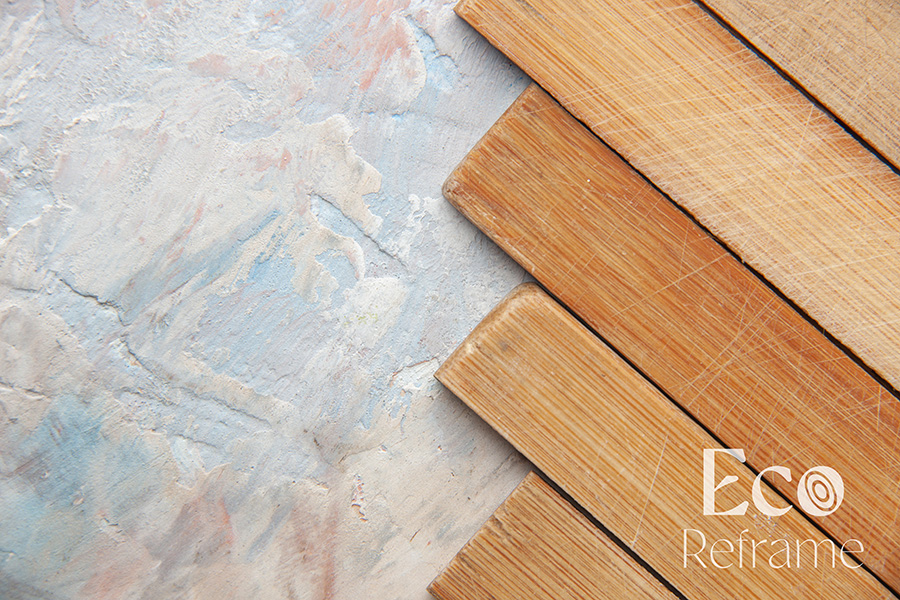
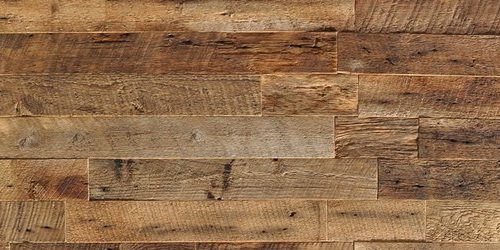
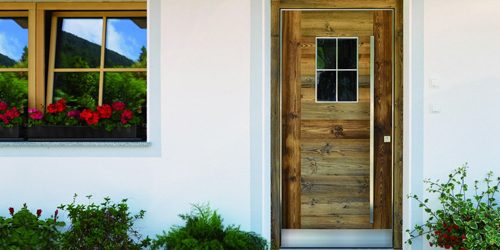
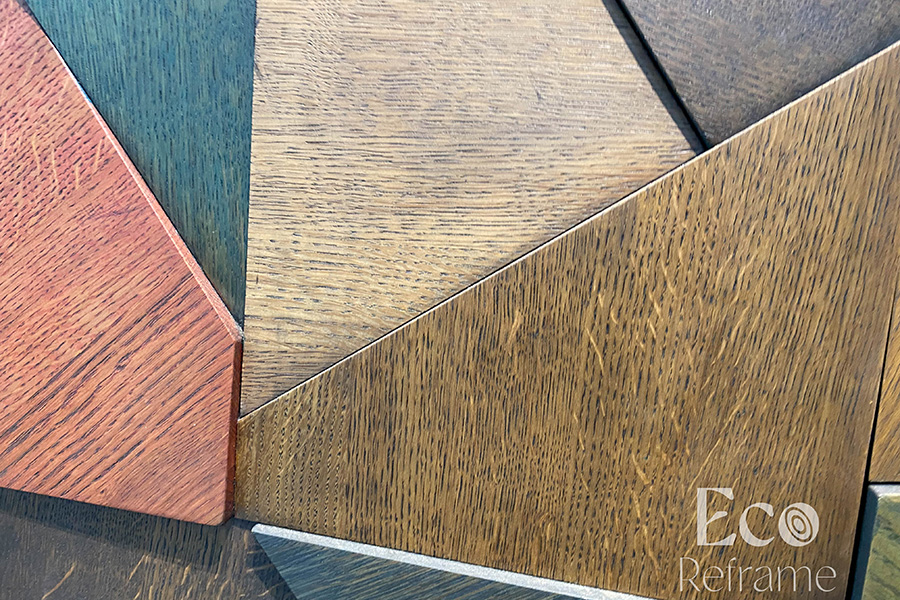
  • Instead of burning pale wood, we recycle it to produce high-quality doors, windows, kitchens, and furniture. Our products are treated with a special substance to ensure they are waterproof.

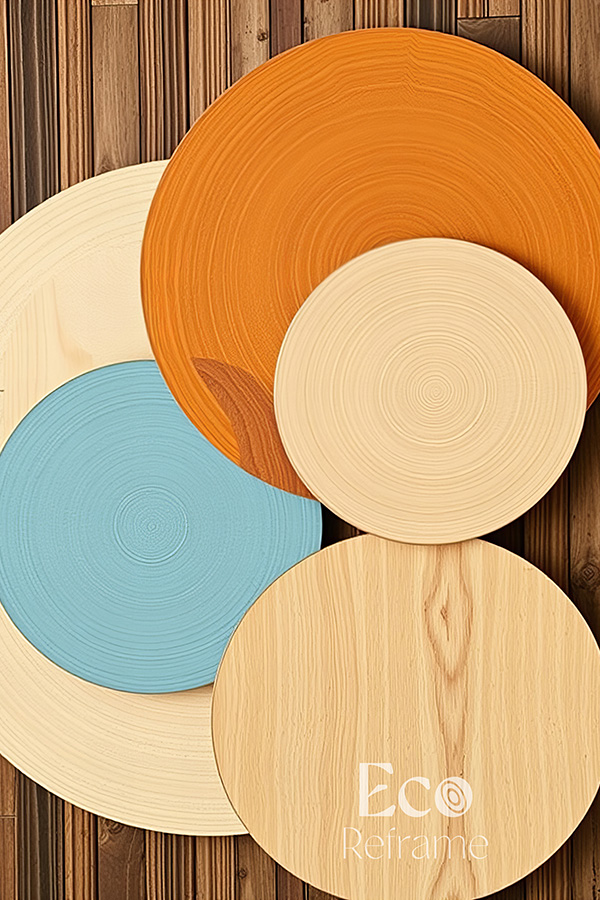
    Recycled wood plates are an eco-friendly and stylish option for dining and decor. Here are some key points about them:

    Features and Benefits

    • Sustainability: Recycled wood plates are made from reclaimed wood, reducing the need for new timber and helping to conserve natural resources.
    • Unique Aesthetics: Each plate has its own unique grain patterns and textures, adding a rustic and natural charm to your table setting.
    • Durability: Recycled wood is often more stable and durable than new wood, as it has already been seasoned and dried.
    • Versatility: These plates can be used for serving food, as decorative items, or even as unique gifts.

Types of Recycled Wood Used

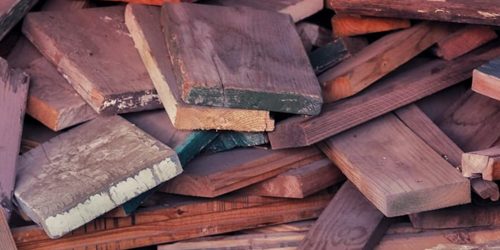
Reclaimed Wood

  • Sourced from old buildings, barns, and other structures, this wood is prized for its history and character.

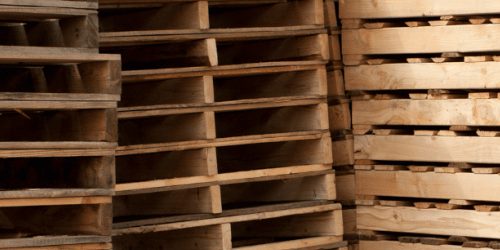
Pallet Wood

  • Often used for its availability and sturdy nature, pallet wood can be transformed into beautiful plates.

Barn Wood

  • Known for its weathered look and durability, barn wood adds a rustic touch to any product.

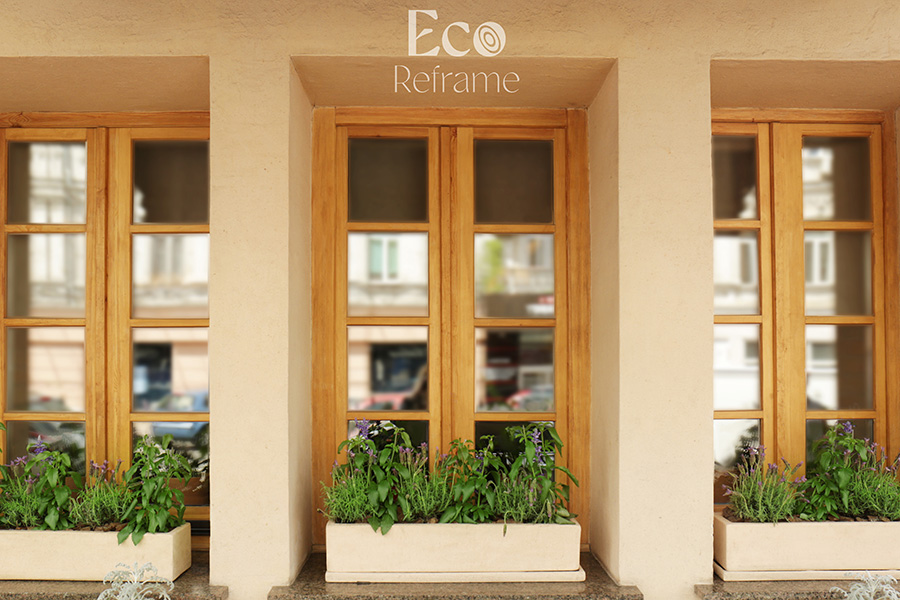
Recycled Wood Doors and Windows

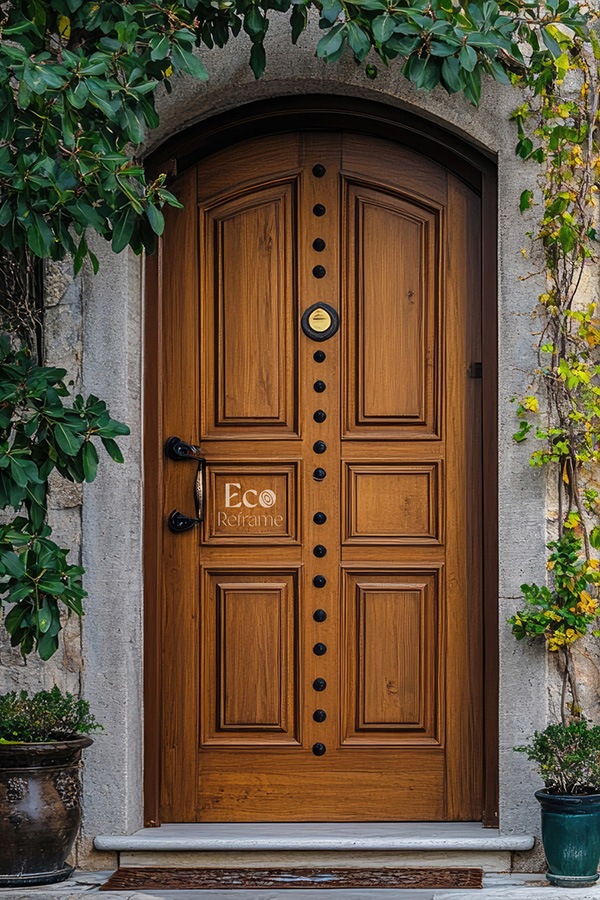
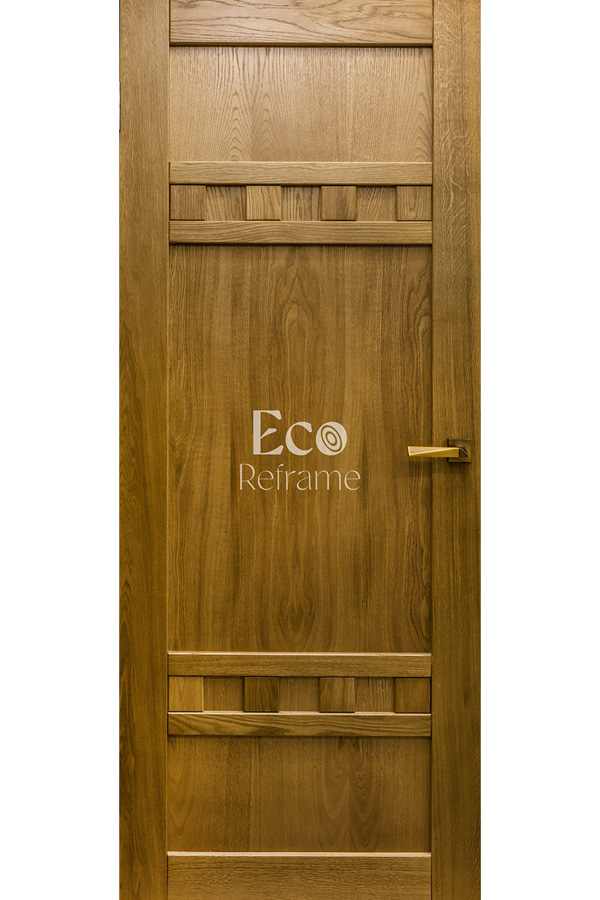
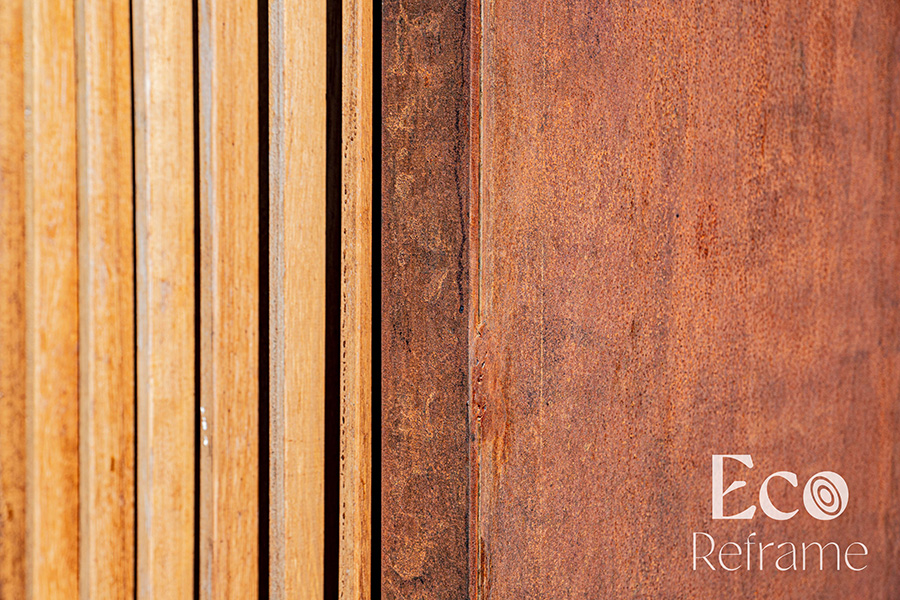
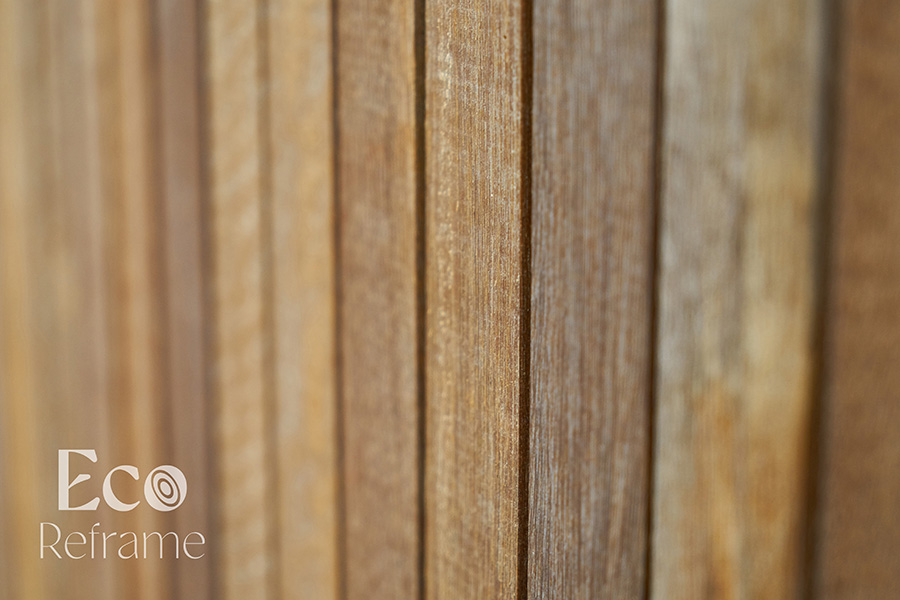
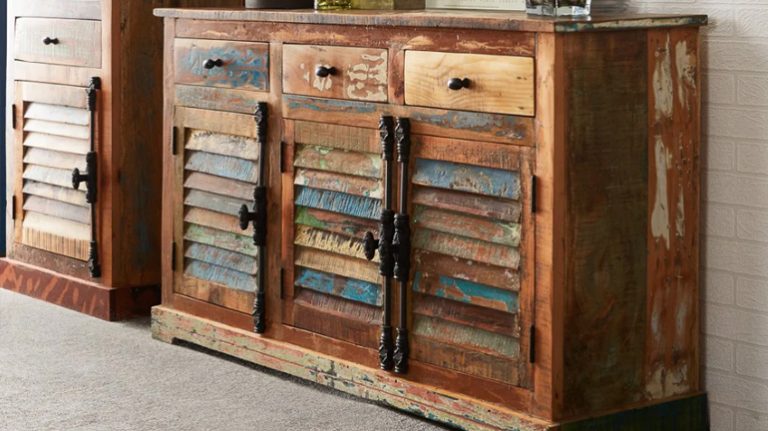
  • These doors and windows are crafted from high-quality recycled wood, combining sustainability with timeless charm. Each piece showcases unique textures and character, reflecting the history of the reclaimed materials while offering durability and functionality. By choosing recycled wood, you contribute to eco-friendly practices, reducing waste and preserving natural resources, without compromising on style or craftsmanship. Perfect for adding warmth and individuality to any space.
[/vc_row_inner]

Pryžový prášek a průmyslová média

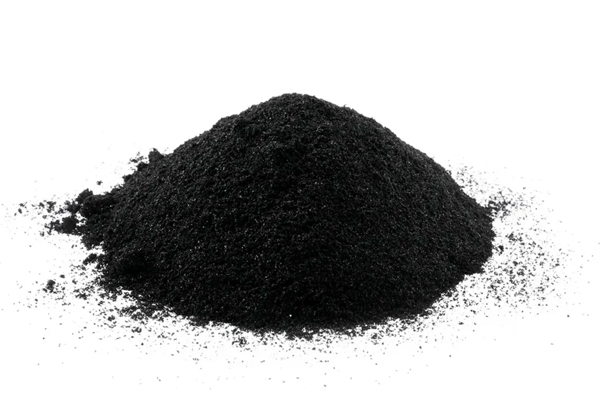
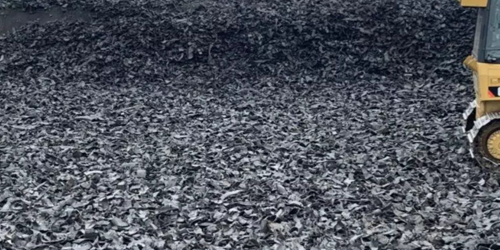
  • Each year, a significant number of old tires burden the environment. Recycling them allows us to produce valuable materials that can be used in various aspects of our lives.
    Recycled tires can be transformed into a wide variety of useful and innovative products. Here are some popular items made from recycled tires:

Tire-Derived Fuel (TDF)

  • Shredded scrap tires can be used as a supplement for traditional fuels in industrial processes, such as in cement kilns and paper mills.

Rubber Mulch

  • This is commonly used as a ground cover for playgrounds and gardens. It provides better shock absorption than wood chips and helps reduce weed growth.

Crumb Rubber

  • Ground-up tires are used to create crumb rubber, which can be used in athletic tracks, artificial turf fields, and as a component in asphalt for road construction.

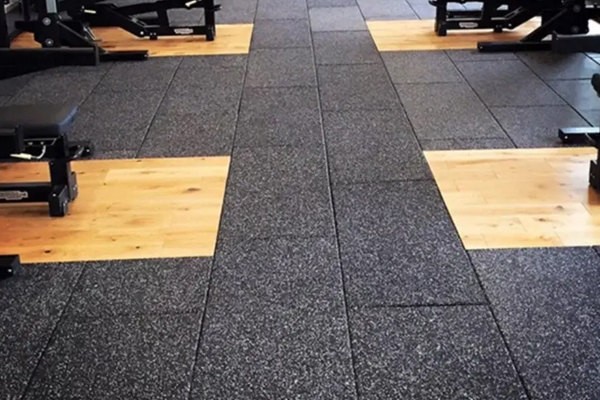
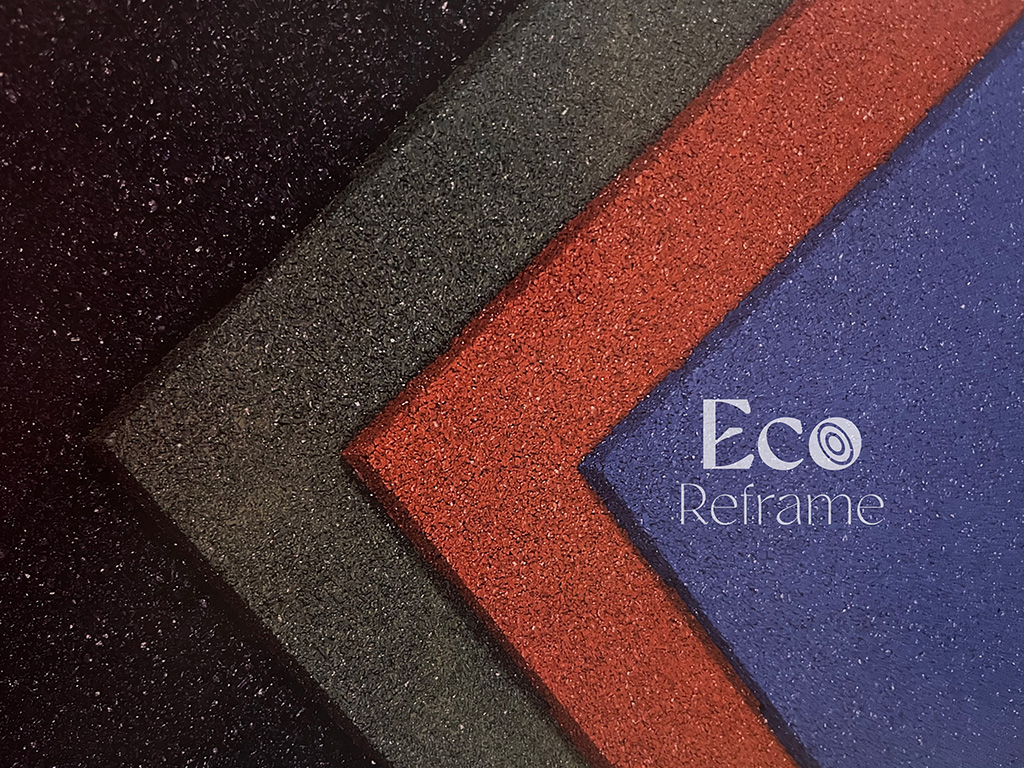
Rubber Mats

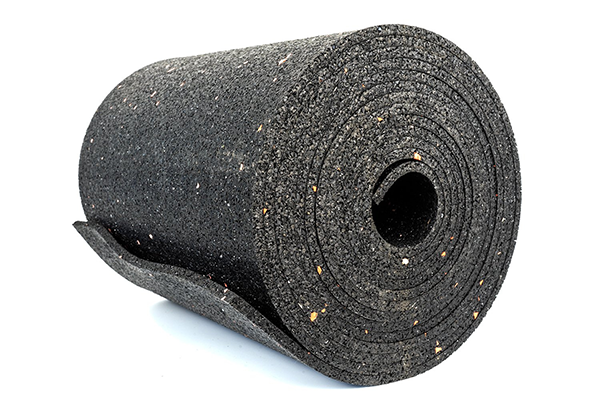
  • Durable and versatile, rubber mats made from recycled tires are used in gyms, industrial settings, and as anti-fatigue mats.

Playground Surfaces

  • Recycled tires are used to create safe, resilient surfaces for playgrounds, reducing the risk of injuries.

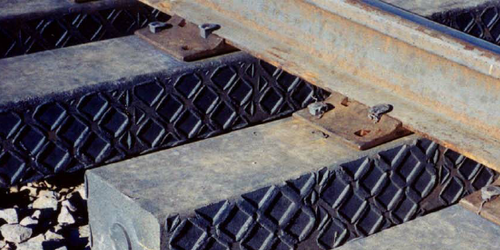
Railroad Ties

  • Recycled tires can be used to create durable and long-lasting railroad ties, which are more resistant to weather and wear than traditional wooden ties.

Construction Materials

  • Tire-derived aggregate (TDA) is used in various civil engineering projects, such as retaining wall backfill, slope stabilization, and road repair.

Art and Craft Projects

  • Creative uses for recycled tires include making furniture, sculptures, and decorative items.